Beyond Rom-Coms: 3 New Teen Drama Subgenres for 2026
Advertisements
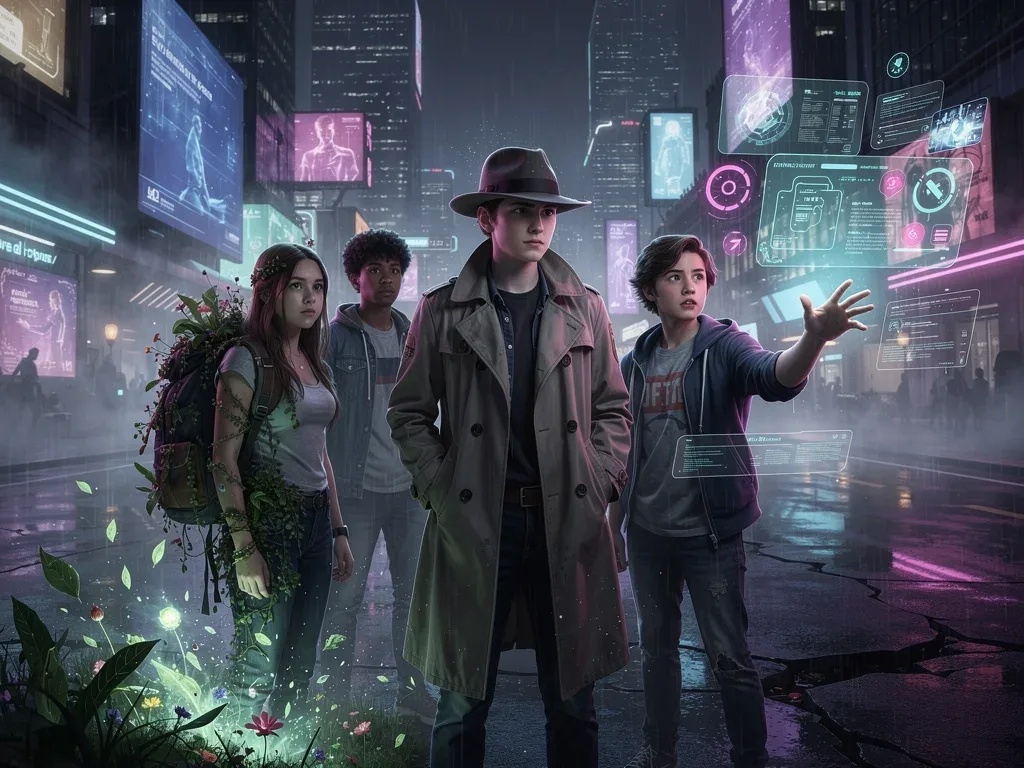
The teen drama landscape in 2026 is expanding beyond familiar romantic-comedy and high-school formulas, with creators increasingly exploring mystery, environmental anxiety, and digital identity.
Beyond Rom-Coms: 3 Emerging Storytelling Directions in Teen Drama for 2026 examines three editorial labels that help describe these broader narrative shifts.
These labels are not official industry categories, but they capture themes that reflect real concerns shaping the lives of young audiences today.
The Shifting Sands of Teen Narratives
Teen dramas have long mixed romance, friendship, identity, and school life, but newer stories increasingly connect adolescence with wider social and technological pressures.
Research on U.S. teens shows that digital life, AI, social media, and emotional well-being are deeply integrated into everyday experiences.
This gives writers more material for stories that combine traditional coming-of-age themes with mystery, technology, climate concerns, and social uncertainty.
Neo-Noir Navigators: Adolescent Mystery and Moral Ambiguity
“Neo-Noir Navigators” can be used as an editorial label for teen stories that combine mystery, secrecy, psychological tension, and morally complicated choices.
These narratives often place young protagonists inside investigations involving classmates, families, schools, or communities that are more complicated than they first appear.
The focus moves beyond romance by using suspense and uncertainty to explore trust, identity, loyalty, and the consequences of uncovering uncomfortable truths.
The Allure of Adolescent Intrigue
Teen mystery stories often work because adolescence is already a period defined by questions about identity, authority, friendship, and belonging.
A mystery structure can intensify those questions by forcing characters to decide who they trust and how far they are willing to go for answers.
This approach can extend emerging teen drama subgenres into more psychologically layered territory.
Psychological Depth and Moral Ambiguity
These stories often avoid simple divisions between heroes and villains, allowing characters to make understandable but questionable choices.
Secrets involving family, friends, school environments, or social status can become catalysts for deeper character development.
The resulting tension creates a framework where personal growth is connected to truth, responsibility, and the consequences of difficult decisions.
Characters face choices where right and wrong are not always obvious.
Storylines may uncover long-held secrets within families or communities.
The emotional consequences of discovery become part of the central conflict.
Visual styles may use darker lighting and contrast to reinforce suspense.
Eco-Anxiety Epochs: Teens Confronting Environmental Uncertainty
“Eco-Anxiety Epochs” describes stories in which environmental change becomes part of the emotional and social reality of young characters.
The theme is relevant because psychologists continue to identify climate anxiety and broader environmental uncertainty as significant stressors affecting younger generations.
These narratives may combine coming-of-age drama with activism, community conflict, environmental disruption, or speculative near-future scenarios.

Climate Issues as Personal Stories
Environmental stories can become more compelling when large-scale problems are presented through individual relationships, family decisions, and community consequences.
Characters may disagree about activism, responsibility, sacrifice, or what practical action should look like in their own lives.
This allows emerging teen drama subgenres to explore climate concerns without reducing the story to a lecture.
Activism and Emotional Resilience
Young characters may organize campaigns, community projects, demonstrations, or other forms of collective action as part of the narrative.
The emotional conflict can include frustration, fear, exhaustion, disagreement, and hope rather than presenting activism as emotionally simple.
Resilience becomes important when characters learn how to remain engaged without treating themselves as individually responsible for solving global problems.
Future-Forward Storytelling
Some environmental teen dramas may use speculative settings to explore what daily life could look like under stronger climate pressures.
Possible themes include extreme weather, migration, resource scarcity, unequal impacts, and debates around technological responses.
These scenarios can provide dramatic stakes while keeping the focus on how young people understand responsibility and uncertainty.
Near-future environmental scenarios can support speculative storytelling.
Stories may address climate migration and resource pressure.
Intergenerational disagreements can create family and political tension.
The emotional impact of climate uncertainty can remain central.
Digital Dystopian Diaries: Life in the Algorithmic Age
“Digital Dystopian Diaries” describes teen dramas centered on AI, online identity, surveillance, manipulation, deepfakes, and the psychological pressure of constant connectivity.
This direction is grounded in a very current reality: roughly two-thirds of U.S. teens report using AI chatbots, while social platforms remain deeply embedded in their social lives.
The resulting stories can explore how technology changes relationships, trust, reputation, privacy, and the boundary between authentic and performed identity.
AI and Digital Identity
AI is already part of many teenagers' daily routines for information, schoolwork, entertainment, image creation, and conversation.
Pew found that some teens also use chatbots for casual conversation or emotional support, showing how technology can enter increasingly personal areas of life.
This creates fertile material for emerging teen drama subgenres focused on identity, trust, and digital dependence.
Navigating Online Realities
Social media can help teens stay connected and express creativity, but it can also generate pressure, exclusion, conflict, and emotional overload.
Pew research found that 39% of teens said social media makes them feel overwhelmed by drama, while 31% reported pressure to post popular content.
These tensions make online reputation, viral content, cyberbullying, and digital performance natural subjects for contemporary teen drama.
The Future of Connection and Control
Digital dystopian stories can exaggerate existing concerns to explore what happens when algorithms begin shaping more decisions, relationships, and opportunities.
Deepfakes and synthetic media are especially relevant themes, with recent research showing substantial exposure among U.S. teenagers.
These narratives can explore the consequences of losing control over one's image, data, identity, or reputation in highly networked environments.
Characters may confront surveillance and algorithmic influence.
Stories can explore pressure created by constant online performance.
Relationships may be complicated by AI-generated or manipulated content.
Privacy and digital autonomy can become major sources of conflict.
Why These Storytelling Directions Feel Relevant in 2026
The appeal of these themes comes from the fact that they connect familiar adolescent concerns with pressures that are especially visible today.
Digital overload, AI adoption, social-media stress, environmental uncertainty, and mental-health concerns are all documented parts of contemporary youth experience.
That makes these storytelling directions credible areas for experimentation even if the three labels themselves are editorial rather than official industry categories.
Technology Is Already Part of Teen Life
Common Sense Media reported in June 2026 that 86% of surveyed children ages 9 to 17 had used AI, with nearly one-quarter using it every day.
Pew's separate research found 64% of U.S. teens ages 13 to 17 reported using AI chatbots, illustrating how rapidly these tools have entered daily life.
That level of adoption helps explain why AI and algorithmic influence increasingly feel plausible as dramatic subjects rather than distant science fiction.
Production Outlook and Industry Interest
There is clear interest across entertainment in darker mysteries, speculative stories, technological anxiety, and socially engaged young-adult narratives.
However, there is not enough public evidence to claim that major platforms have formally identified these three exact categories as strategic investment priorities.
They are better understood as useful ways to organize themes appearing across contemporary and emerging youth-oriented storytelling.
What Creators Can Do with These Themes
Writers can combine familiar elements such as friendship, romance, school, and family with larger questions about technology, environment, or social trust.
The strongest stories are likely to keep those issues grounded in specific characters rather than allowing the social theme to replace emotional storytelling.
This gives creators room to experiment while preserving the personal stakes that have traditionally made teen drama accessible.
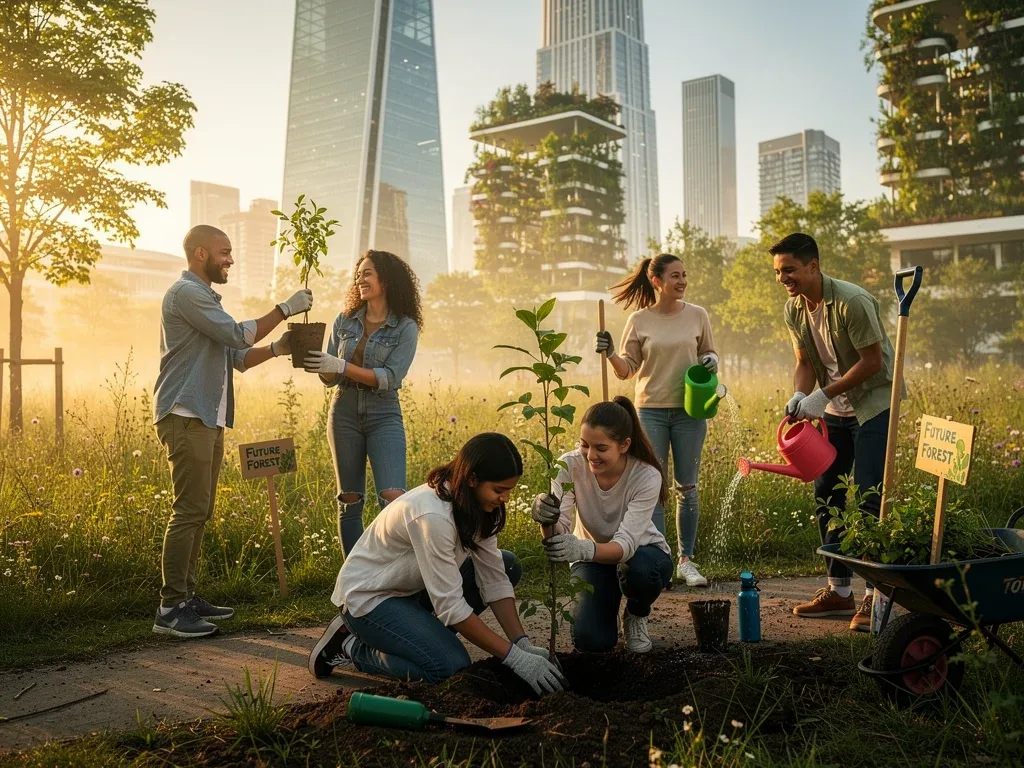
Audience Reception: What Can Actually Be Said
It is too broad to claim that audiences have already embraced these three named subgenres because they are not established market categories.
What available research does show is that teenagers are actively engaged with topics such as AI, social media, identity, climate concerns, and emotional well-being.
This suggests that stories using those themes may feel relevant, but audience success still depends on execution, characters, platform, marketing, and individual titles.
Why Relevance Matters
Teen viewers are not a single audience, so no one theme will resonate equally with every group or individual.
Research shows wide variation in how teens experience AI and social platforms, including differences in usage, attitudes, and perceived benefits or harms.
That diversity makes nuanced storytelling more useful than treating an entire generation as having one uniform emotional response.
The Evolution of Character Arcs
These storytelling directions allow protagonists to be defined by more than romance, popularity, or school status.
Characters can develop through moral choices, activism, technological pressure, family conflict, investigation, or attempts to protect their autonomy.
This broadens the coming-of-age format without abandoning its central focus on identity, relationships, and personal growth.
Character Growth Through External Pressure
Neo-noir protagonists may mature by confronting secrets and discovering that people they trust are more complicated than expected.
Eco-focused characters may learn how to balance urgency with resilience, while digital narratives can explore authenticity in highly mediated environments.
In each case, external pressures become tools for examining internal development rather than simply providing spectacle.
Educational and Social Potential
Teen dramas can introduce viewers to difficult questions about technology, privacy, climate, relationships, or mental health through fictional situations.
They can also create opportunities for conversation, but entertainment should not be assumed to provide comprehensive education or expert guidance.
The most responsible approach is to treat socially relevant drama as a starting point for reflection rather than as a substitute for reliable information.
Media Literacy and Critical Thinking
Digital stories can encourage viewers to think about manipulated media, privacy, algorithms, deepfakes, and how online information affects reputation.
Climate narratives can create space for discussions about responsibility, uncertainty, collective action, and the emotional impact of environmental change.
When handled carefully, these topics can add depth without requiring a teen drama to become overtly instructional.
Editorial Label | Brief Description |
|---|---|
Neo-Noir Navigators | Teen mysteries built around secrecy, psychological tension, and moral ambiguity. |
Eco-Anxiety Epochs | Coming-of-age stories shaped by climate uncertainty, activism, and environmental pressure. |
Digital Dystopian Diaries | Narratives exploring AI, surveillance, manipulated media, privacy, and digital identity. |
Beyond Rom-Coms | A broader movement toward teen stories that combine personal drama with larger social themes. |
Frequently Asked Questions About New Teen Drama Trends
What defines the Neo-Noir Navigators label? ▼
It describes teen-centered mystery stories that combine suspense, psychological tension, secrets, and morally complicated decisions. It is an editorial label rather than an officially recognized entertainment category.
How do Eco-Anxiety Epochs address climate change? ▼
These stories place environmental uncertainty inside the emotional lives of young characters, potentially exploring activism, resilience, family conflict, community action, or speculative climate scenarios.
What themes are explored in Digital Dystopian Diaries? ▼
Common themes can include AI, social-media pressure, surveillance, deepfakes, data privacy, online reputation, manipulated content, and the challenge of maintaining an authentic identity online.
Are these three categories officially recognized teen-drama subgenres? ▼
No. The names are editorial frameworks used to describe clusters of themes that are increasingly relevant to contemporary teen storytelling.
Why are these themes especially relevant in 2026? ▼
Research shows that AI, social media, digital identity, climate anxiety, and emotional well-being are all meaningful parts of contemporary youth experience, giving writers timely material for new stories.
Looking Ahead
Teen drama in 2026 has room to move beyond conventional romantic and school-centered plots by connecting adolescence with broader social pressures.
Neo-noir mystery, climate-focused drama, and digital dystopian storytelling offer three useful frameworks for understanding where some new narratives may develop.
The future of emerging teen drama subgenres will depend less on labels and more on whether creators turn these contemporary concerns into believable characters and compelling stories.