










Where to watch


DRAMANEWZ.COM Review
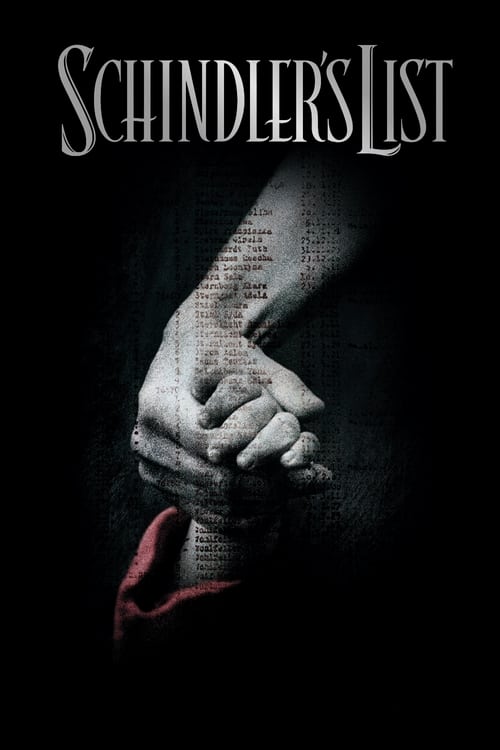
To call Steven Spielberg’s *Schindler’s List* merely a historical drama is to miss the profound, almost spiritual, weight it carries. This is not just a recounting of events; it is an interrogation of humanity’s capacity for both monstrous cruelty and radical empathy, framed through a lens that refuses to flinch. Spielberg, often accused of sentimentality, here employs a stark, almost documentary-like aesthetic in black and white, a choice that immediately strips away any cinematic glamor, forcing the viewer to confront the raw, uncomfortable truth.
The brilliance lies in its narrative tightrope act. Liam Neeson’s Oskar Schindler begins as an opportunist, a charming rogue navigating the moral ambiguities of war-torn Poland. Neeson’s performance is a masterclass in subtlety, gradually peeling back layers of self-interest to reveal a burgeoning conscience. His initial suavity, marked by a knowing smile and a perfectly tailored suit, slowly erodes into a haunted desperation as he witnesses the atrocities firsthand. This transformation isn’t a sudden epiphany but a slow, agonizing dawning, made palpable by Neeson’s restrained portrayal. Complementing this is Ralph Fiennes’ chilling turn as Amon Goeth, a performance so utterly devoid of empathy it transcends simple villainy, becoming a stark reminder of banal evil. His casual sadism, often conveyed through a simple, almost bored glance, is far more terrifying than any overt theatrics.
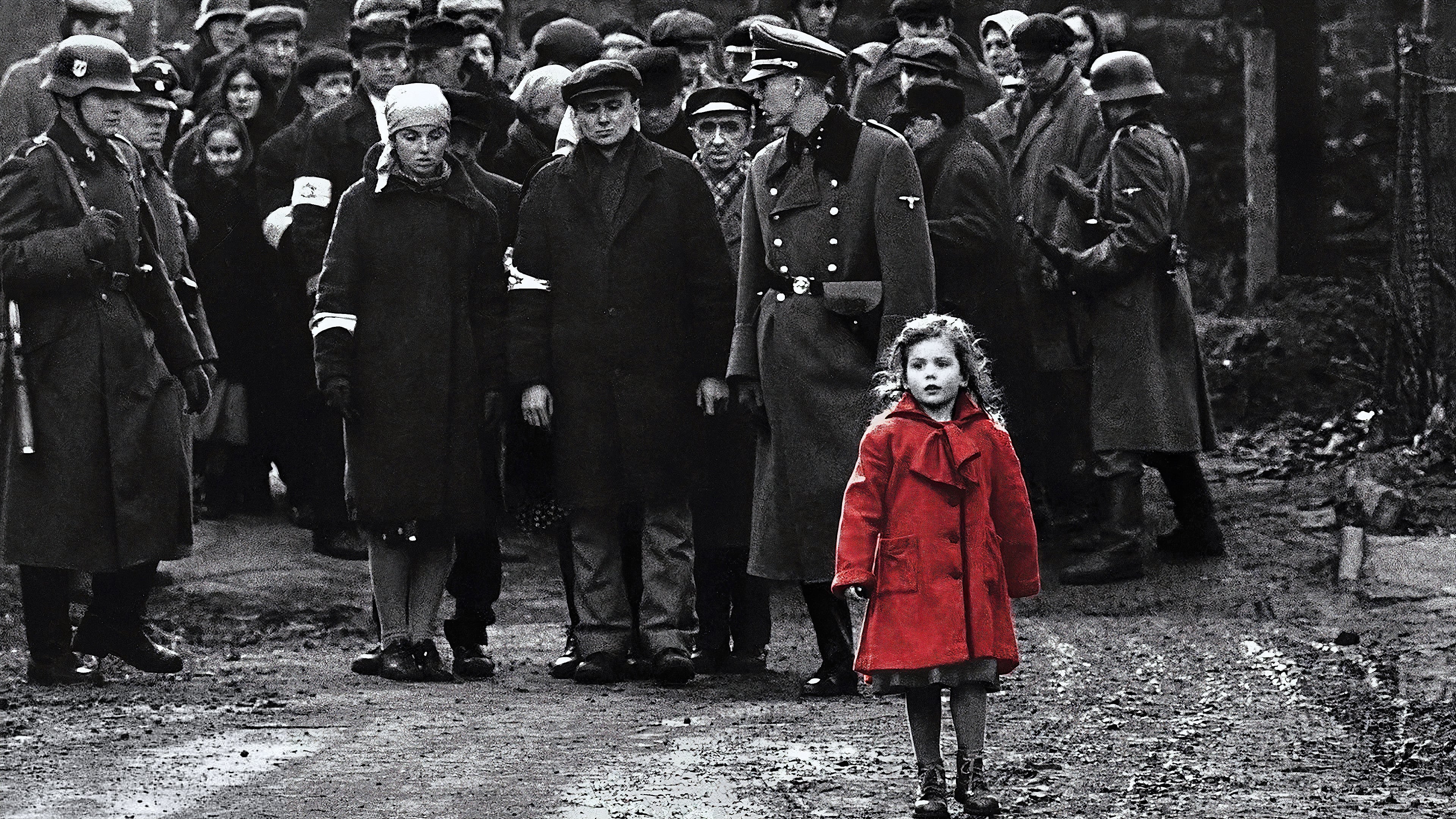
However, the film is not without its narrative choices that invite scrutiny. While the black and white lends an undeniable gravitas, the occasional splashes of color, particularly the iconic red coat, can feel a touch too didactic, a deliberate symbolic gesture that nudges the audience rather than allowing them to discover meaning organically. It is a powerful motif, undoubtedly, but one that occasionally borders on over-emphasis in a film that otherwise trusts its imagery so completely. Furthermore, the sheer scale of the horror, while necessary to portray, sometimes risks flattening individual suffering into a collective, almost abstract, tragedy. We see the numbers, the brutality, but the intimacy of individual loss, beyond a few key characters, can feel diluted by the vastness of the atrocity.
Ultimately, *Schindler’s List* is a cinematic achievement that transcends its 195-minute runtime. It is a challenging, necessary work that demands to be seen not just as history, but as an enduring testament to human resilience and the moral imperative to act in the face of injustice. It is a film that doesn't just tell a story; it imprints it upon the soul.