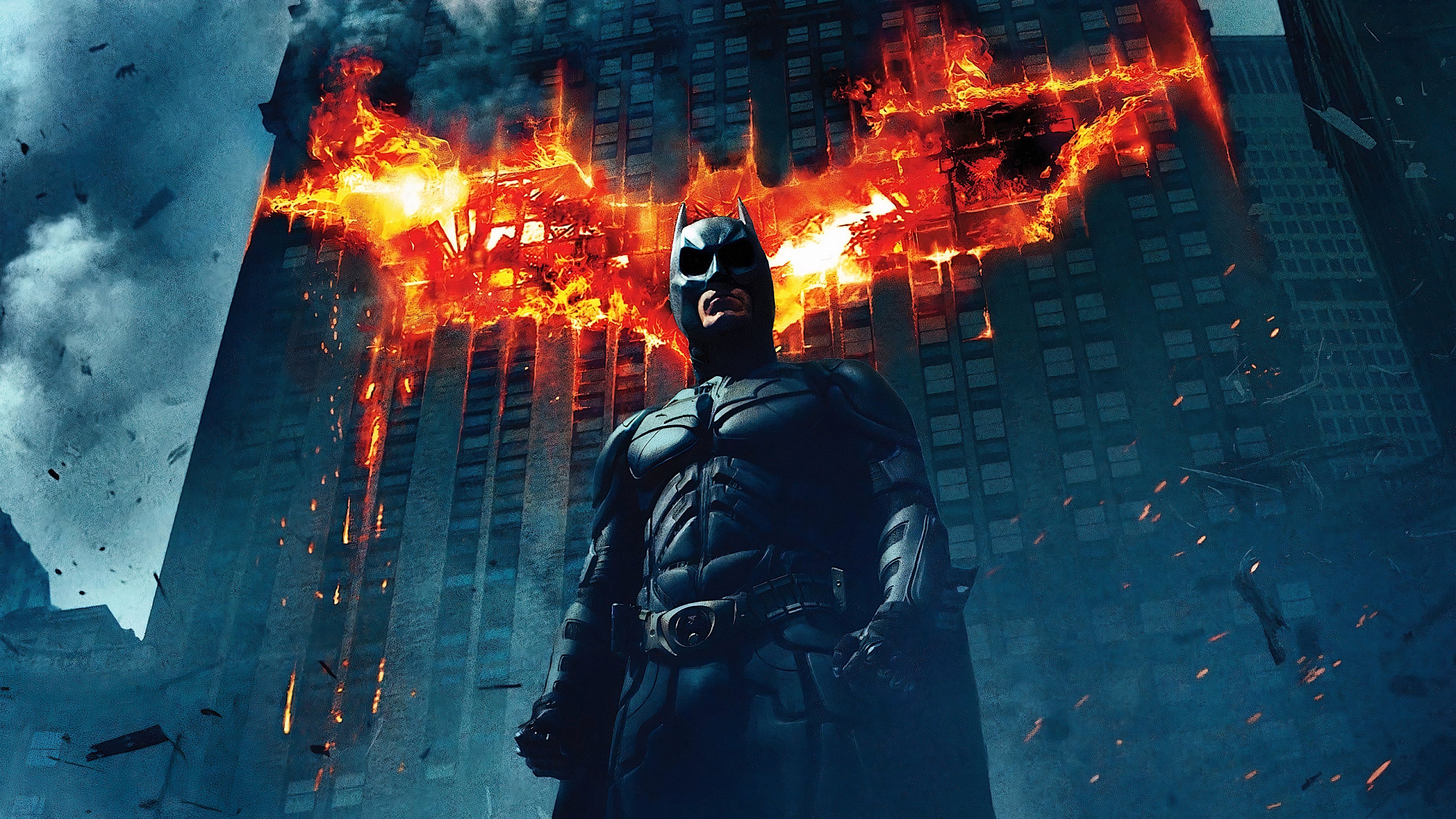
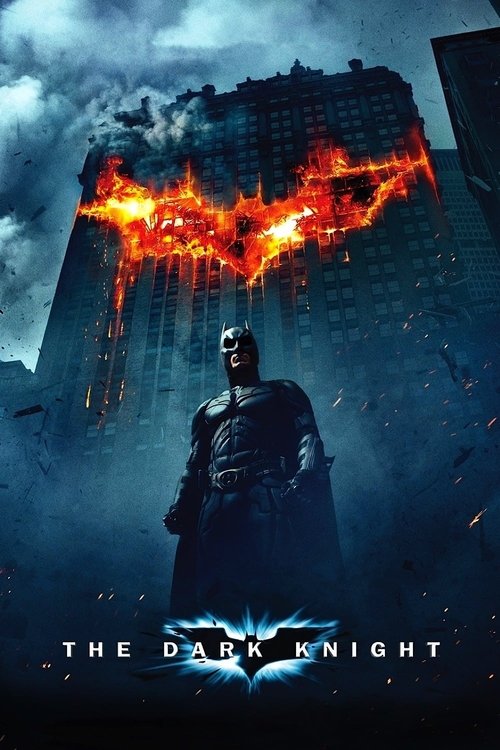
The Dark Knight
Batman raises the stakes in his war on crime. With the help of Lt. Jim Gordon and District Attorney Harvey Dent, Batman sets out to dismantle the remaining criminal organizations that plague the streets. The partnership proves to be effective, but they soon find themselves prey to a reign of chaos unleashed by a rising criminal mastermind known to the terrified citizens of Gotham as the Joker.



Where to watch


DRAMANEWZ.COM Review
Christopher Nolan’s “The Dark Knight” is not merely a superhero film; it is a sprawling, often brutal dissection of morality and chaos, cloaked in the guise of an action blockbuster. Nolan elevates the genre by refusing to simplify its philosophical underpinnings, presenting Gotham as a crucible where ideals are forged and shattered.
The film's most striking artistic triumph lies in its narrative structure, a relentless escalation of stakes that mirrors the Joker’s own chaotic methodology. Nolan’s direction is precise, almost clinical, in its execution of a story that feels both epic and intimately personal. His use of practical effects grounds the fantastical, lending a visceral authenticity that many of its contemporaries lack. The cinematography, often stark and imposing, captures the city’s grim grandeur, making Gotham a character in itself, perpetually teetering on the brink.
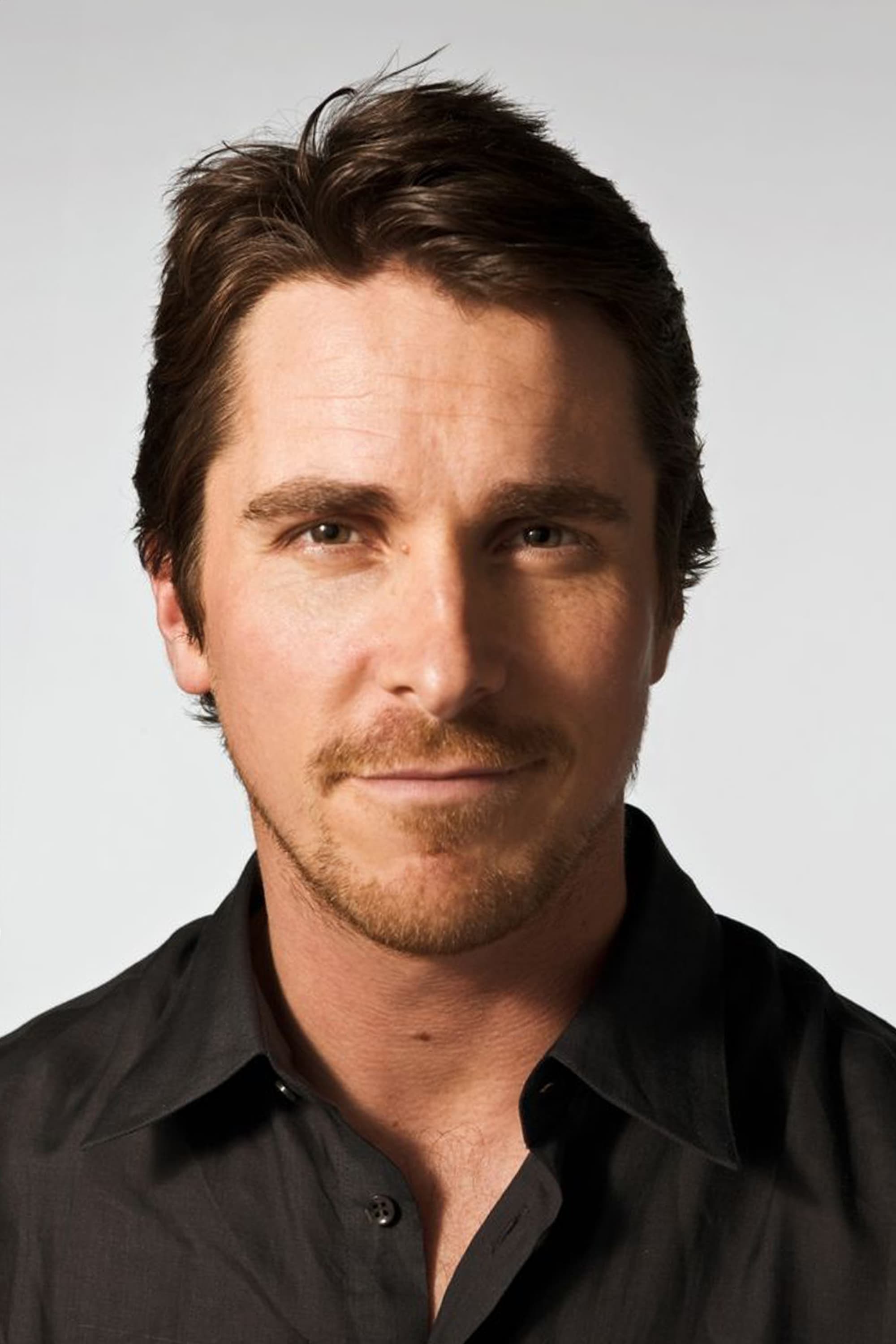
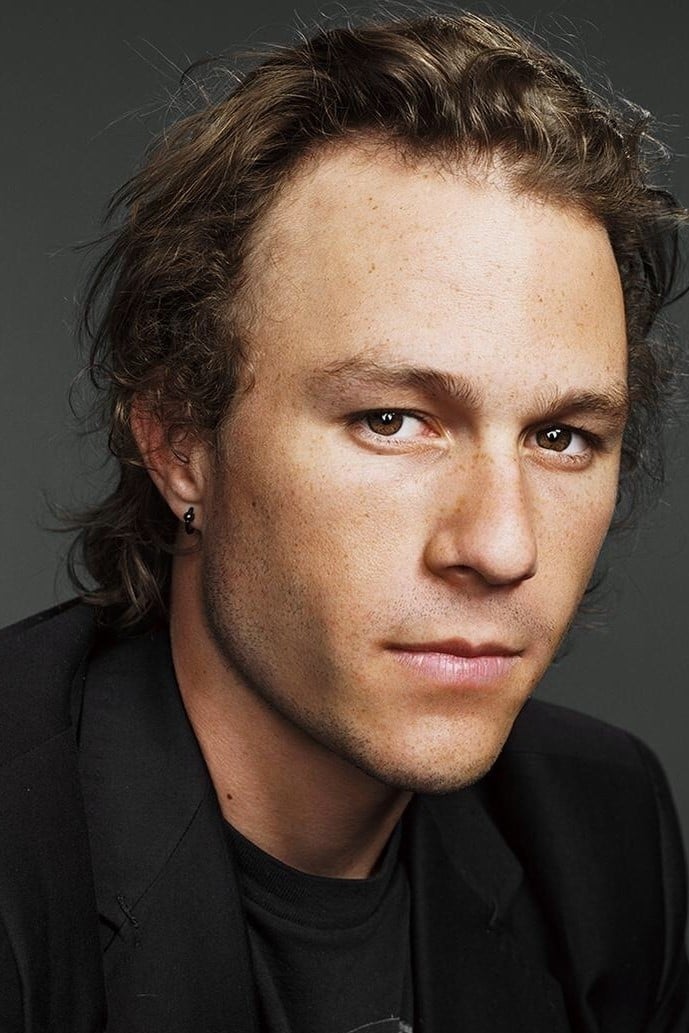
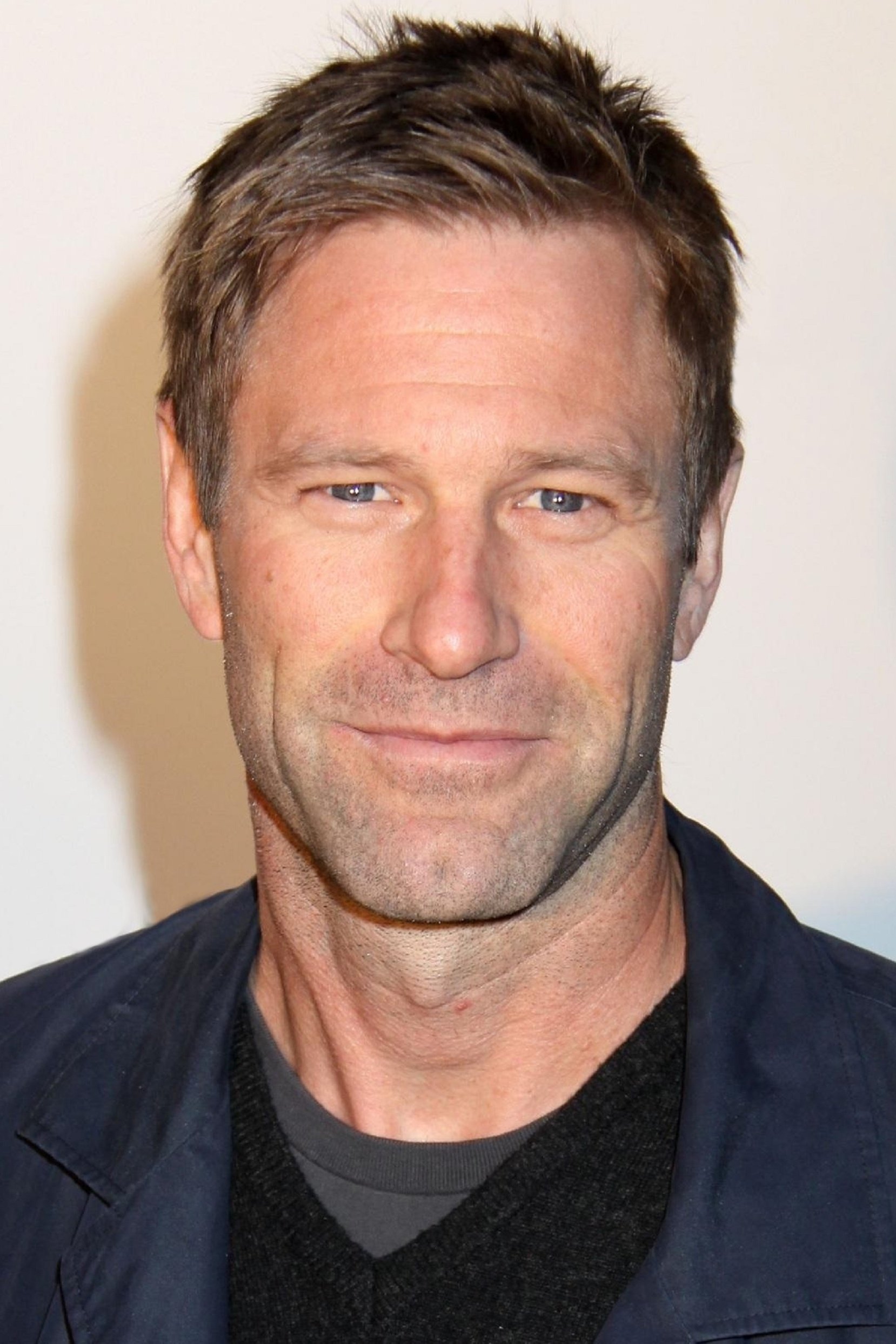
Heath Ledger’s Joker is, of course, the gravitational center. It’s a performance of terrifying commitment, not just a villain but a force of nature, an agent of pure anarchy who exposes the fragility of order. Ledger doesn't just play the role; he embodies the very concept of nihilism, forcing Christian Bale’s Batman to confront his own rigid code. Bale, in turn, portrays a hero burdened by his choices, his growling voice a testament to the emotional toll of his crusade. Aaron Eckhart’s Harvey Dent provides a tragic foil, his descent into Two-Face a chilling illustration of how easily hope can be corrupted.
However, the film, for all its brilliance, isn't without its stumbles. The sheer density of its plot, while ambitious, occasionally sacrifices emotional depth for thematic breadth. Some supporting characters, particularly Maggie Gyllenhaal’s Rachel Dawes, feel more like plot devices than fully realized individuals, existing primarily to serve the male protagonists’ arcs. This is a common pitfall in epic narratives, where the grandiosity of the vision can sometimes overshadow the nuances of individual experience.
Ultimately, "The Dark Knight" endures because it dares to ask difficult questions about heroism, sacrifice, and the nature of evil. It’s a film that demands reflection, proving that cinema, even within the confines of a popular genre, can be a profound and unsettling mirror to our own societal anxieties. A compelling, albeit occasionally overstuffed, masterpiece that redefined what a comic book adaptation could achieve.