The Godfather
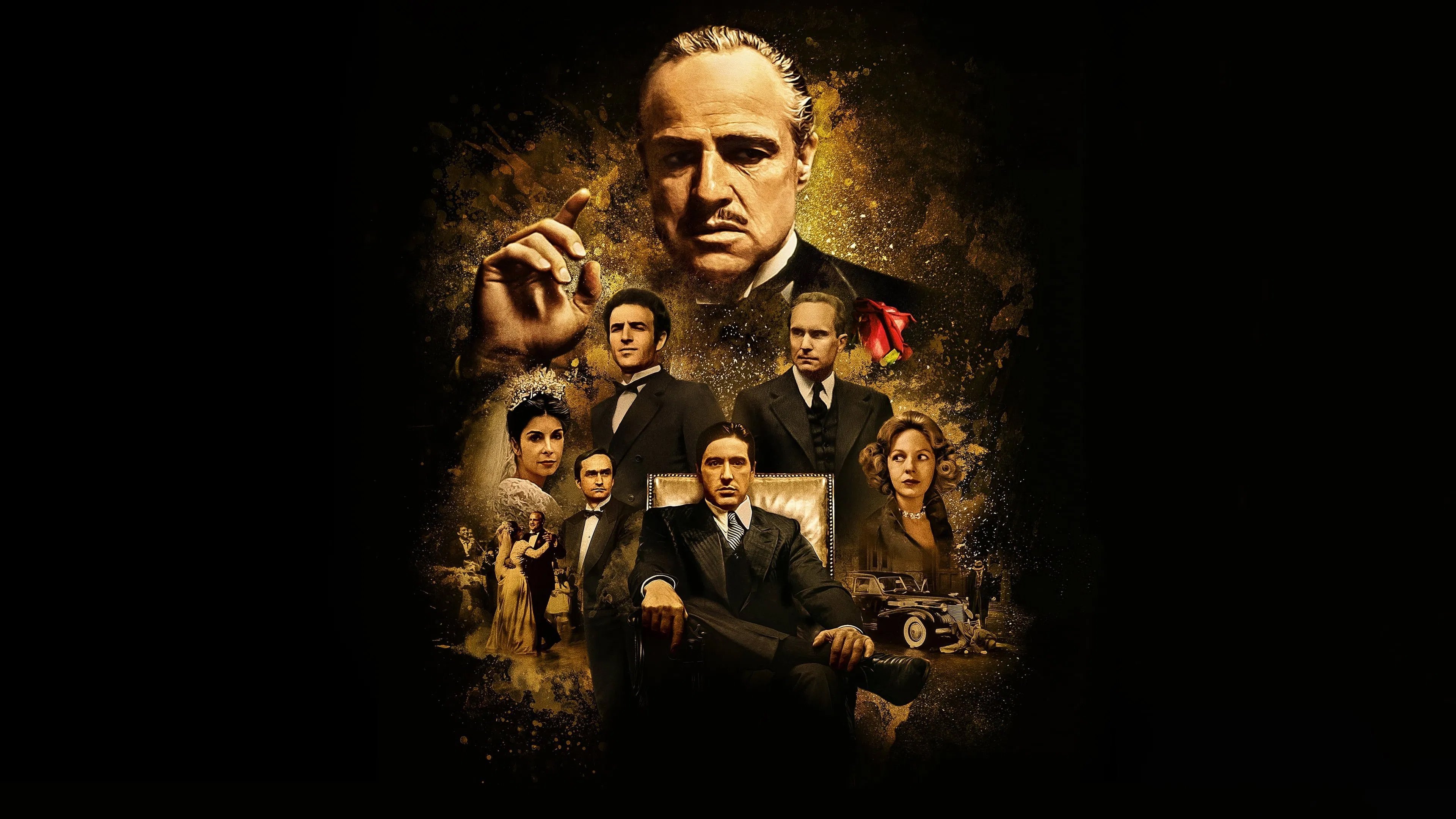
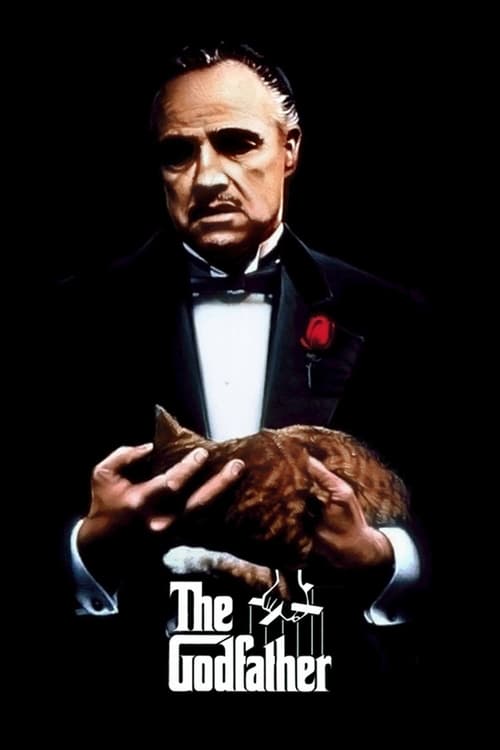
Spanning the years 1945 to 1955, a chronicle of the fictional Italian-American Corleone crime family. When organized crime family patriarch, Vito Corleone barely survives an attempt on his life, his youngest son, Michael steps in to take care of the would-be killers, launching a campaign of bloody revenge.



Where to watch


DRAMANEWZ.COM Review
To simply call Francis Ford Coppola’s *The Godfather* a crime drama is to miss the point entirely, to reduce a monumental fresco of American ambition and moral decay to a mere genre exercise. This is not just a film; it is a meticulously crafted epic, a Shakespearean tragedy cloaked in the dark suits and hushed tones of the Italian-American underworld. Its enduring power lies not in its violence, but in its profound exploration of family, loyalty, and the corrosive nature of power.
Coppola's direction is nothing short of masterful, a ballet of shadow and light that elevates the narrative beyond mere storytelling. Consider the opening scene, where Bonasera's plea for justice is framed in a chiaroscuro so dense it might as well be painted by Caravaggio. This isn't just aesthetic; it’s a visual thesis statement on the film’s central conflict: the sacred and the profane, the public face and the private darkness. Gordon Willis's cinematography here is not just beautiful; it's narrative. It cloaks Vito Corleone, played with a deceptively gentle menace by Marlon Brando, in an almost mythical aura, a figure both benevolent and terrifying. Brando's performance is a clinic in understated power, every gravelly word and slow blink conveying decades of accumulated authority and weariness.
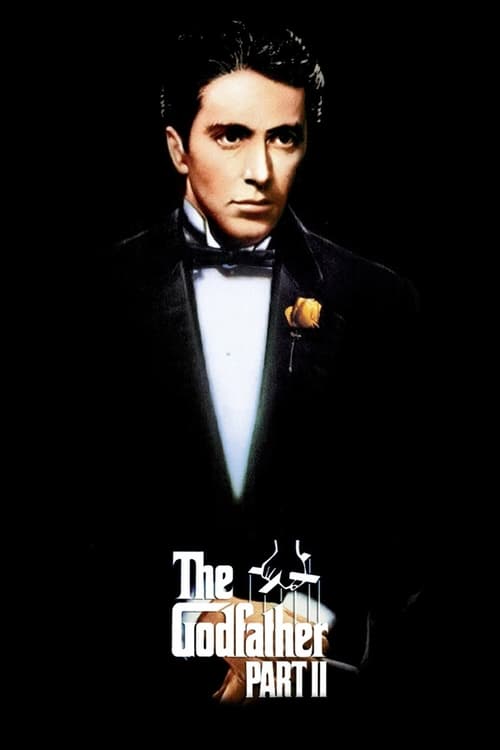
The film's genius, however, lies in Michael Corleone’s transformation. Al Pacino, in a career-defining role, charts a chilling descent from outsider war hero to ruthless patriarch. His journey, from the bright, almost innocent face at Connie’s wedding to the stone-cold killer in the baptism scene, is a slow, agonizing unraveling of the soul. The screenplay, adapted from Puzo’s novel, is a marvel of economy, each line weighted with consequence. The juxtaposition of a sacred ritual with brutal, calculated murder in the film’s climax is not merely shocking; it is a devastating commentary on the hypocrisy inherent in maintaining a "family" business built on blood.
Yet, for all its brilliance, *The Godfather* occasionally falters in its portrayal of its female characters. While Diane Keaton's Kay Adams serves as a vital moral compass, her agency often feels limited, her perspective largely reactive to the male-dominated world around her. Talia Shire's Connie, too, is often relegated to emotional outbursts rather than complex character development. This isn't a fatal flaw, but a missed opportunity to deepen the human tapestry of the Corleone saga.
Ultimately, *The Godfather* is a searing examination of the American dream twisted into a nightmare. It’s a film that demands repeated viewings, each time revealing new layers of its profound artistry and chilling insights into human nature. It's not just entertainment; it's a mirror reflecting the shadows of power and the price of ambition.