The Shawshank Redemption
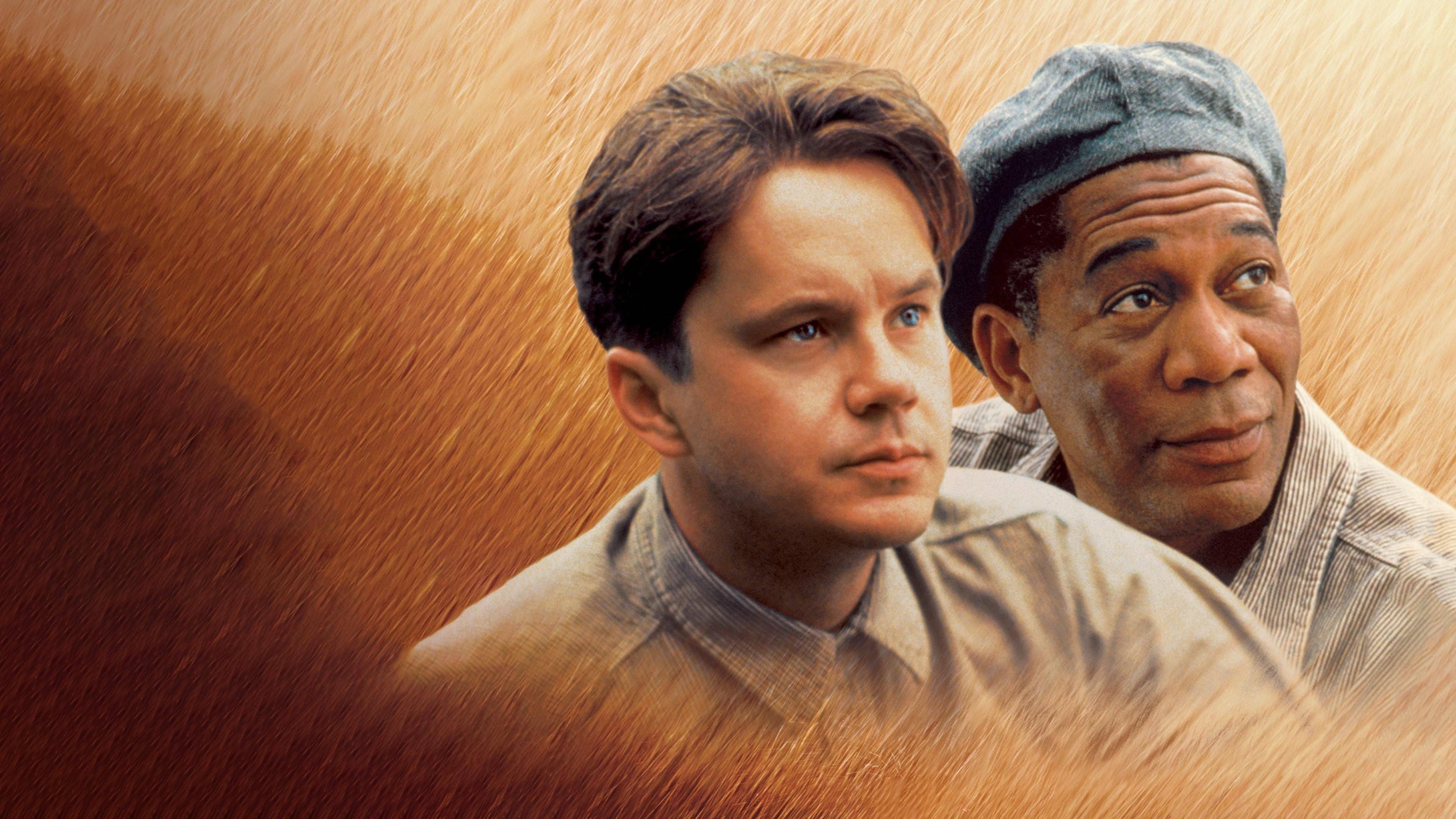
Imprisoned in the 1940s for the double murder of his wife and her lover, upstanding banker Andy Dufresne begins a new life at the Shawshank prison, where he puts his accounting skills to work for an amoral warden. During his long stretch in prison, Dufresne comes to be admired by the other inmates — including an older prisoner named Red — for his integrity and unquenchable sense of hope.











Where to watch


DRAMANEWZ.COM Review
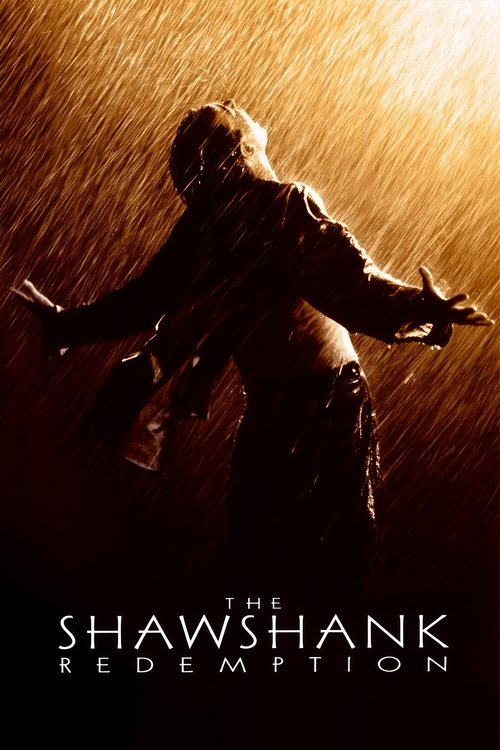
To speak of *The Shawshank Redemption* is to invoke a certain cinematic reverence, a film often lauded as a paragon of hope against despair. And indeed, Frank Darabont’s direction, particularly in his measured pacing, allows the brutality of Shawshank prison to seep into the bone, not through gratuitous violence, but through the relentless erosion of spirit. Roger Deakins' cinematography, a masterclass in controlled bleakness, paints the prison with a stark, unforgiving palette, yet finds moments of breathtaking light – the rain-soaked escape, the liberating ocean – that resonate with almost spiritual intensity.
Tim Robbins’ Andy Dufresne is a fascinating study in quiet defiance. His performance is less about grand theatrics and more about an internal fortitude that slowly, almost imperceptibly, reshapes his environment. He doesn't just act; he *exists* within the confines, a man whose intellect becomes his shield and his weapon. Morgan Freeman as Red, the omnipresent narrator, grounds the film with a voice that is both world-weary and deeply compassionate, guiding us through Andy's journey with an intimacy that makes us feel like fellow inmates.
Yet, for all its undeniable power, the film occasionally treads a fine line between profound allegory and convenient sentimentality. The moral clarity of its characters, particularly Andy’s unwavering goodness, while inspiring, can feel a touch too pristine for such a desolate setting. The narrative, while beautifully structured, occasionally sacrifices the messy ambiguities of human nature for a more triumphant, almost fable-like conclusion. The warden, while a suitably loathsome antagonist, borders on caricature, a symbol of corruption rather than a complex individual. This simplifies the struggle, making the victory, while cathartic, less hard-won in its psychological depth.
Ultimately, *The Shawshank Redemption* endures because it speaks to a universal human yearning for freedom and dignity. It is a testament to the power of cinema to not only entertain but to uplift, even if its neatly tied bow sometimes feels a little too perfect for the gritty realism it otherwise masterfully evokes. It’s a film that asks us to believe in the impossible, and for that, it remains a potent work of art.