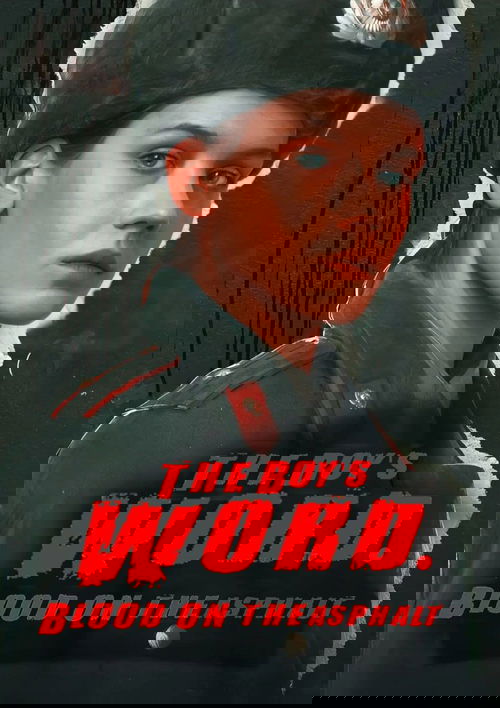
The Boy’s Word: Blood on the Asphalt
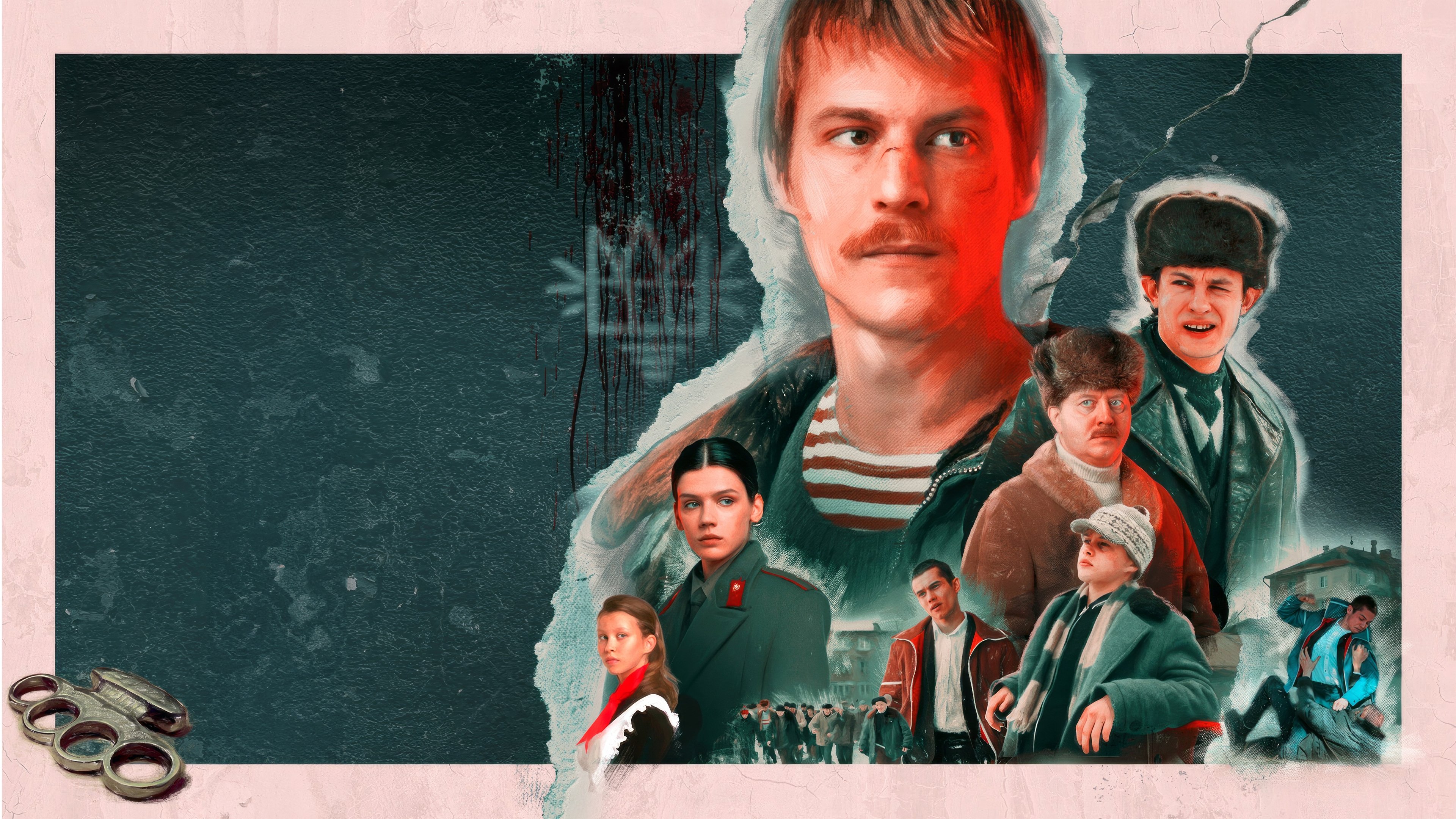
In the late 1980s, when “perestroika” was taking place in the USSR and the era of the Soviet Union was about to collapse, life became unstable and very different. The 1980s brought not only freedom, but also waves of crime on the city streets. While some young people began to ‘grow up’ on the streets, others found it difficult to find their place in this unpredictable reality. Andrey, lives with his mother and five-year-old sister. He studies at a music school and often encounters street teenagers who harass him. To protect himself, Andrey makes friends with one of these teenagers, Marat, who introduces him to gang life. Youth groups fight for every piece of territory; they defend their right to live the life, even breaking laws and promises. The only thing that matters to them is the vows they make to their gang members-brothers, with whom they confront the violence and fears of the adult world.
Episodes

Episode 1
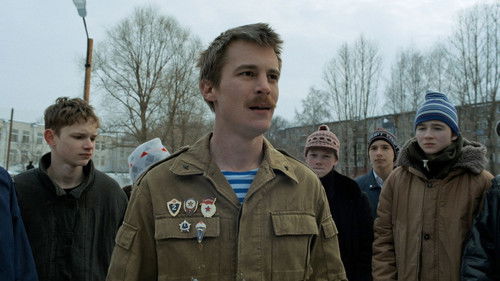
A step outside. Quiet 14-year-old Andrei meets kids who are far from his circle. With them behind him, no school…
Episode 2
A completely different disco. Marat's brother returns from military service. The world has changed, and Vova's plans extend far beyond…

Episode 3
One fist is a threat, but ten is trouble. Someone has to answer for the fate of one of the…

Episode 4
Just like in the movies. Marat and his friends rescue Vova from the hospital and buy themselves some time to…

Episode 5
Honest business. Andrei's new idea attracts the attention of the streets, which see everything. But even under their strict supervision,…

Episode 6
The streets are unforgiving. Vova, Marat, and Zima conceal the details of their meeting with the Dombytovs, as the consequences…
Episode 7
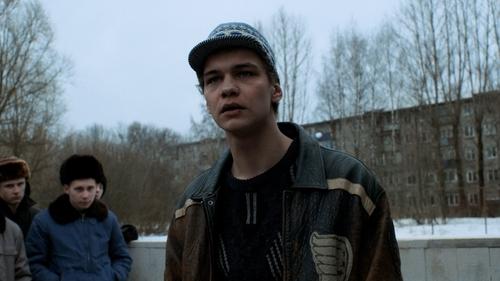
Andrei is looking for ways to protect his family. Punishment is already hot on Vova's heels, but there is still…
Episode 8
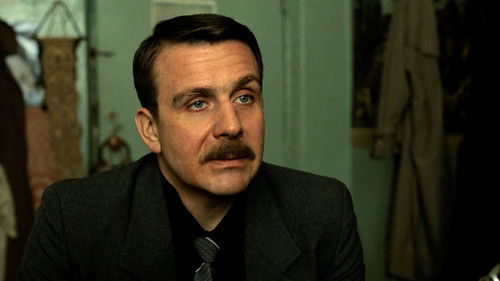
Some gave up, some gave in. To move forward, you have to leave the streets behind. But once you give…








DRAMANEWZ.COM Review
"The Boy's Word: Blood on the Asphalt" arrives not as a mere crime drama, but as a visceral excavation of a nation's fractured adolescence, precisely when the Soviet Union was exhaling its last, ragged breath. This 2023 series, with its chilling 8.7 rating, plunges us into the late 1980s, a period of perestroika that, for many, meant less liberation and more lawlessness. It’s a bold artistic choice to ground the narrative in such a specific, volatile historical moment, using the crumbling ideological edifice as a backdrop for the brutal formation of street gangs.
The series excels in its direction, which masterfully oscillates between claustrophobic intimacy and stark, wide-shot urban alienation. The camera often feels like an unblinking observer, refusing to sanitize the violence or romanticize the camaraderie. Cinematography employs a palette that is intentionally bleak, mirroring the socio-economic despair, yet occasionally punctuated by moments of stark, almost beautiful, brutality. It’s in these visual contrasts that the series truly speaks volumes about the conflicting loyalties and lost innocence.
The ensemble cast delivers performances that are nothing short of revelatory. Leon Kemstach’s Andrey, initially a timid music student, embodies the tragic trajectory of a boy forced to shed his skin. His transformation, propelled by the magnetic, dangerous presence of Ruzil Minekaev’s Marat, is disturbingly authentic. Ivan Yankovsky and Anastasiya Krasovskaya, while perhaps given less screen time than the central duo, inject crucial humanity and desperation into the periphery, their struggles serving as vital counterpoints to the boys' escalating savagery. This isn’t simply acting; it’s an embodiment of a generation’s trauma.
However, the narrative, while gripping, occasionally succumbs to a certain predictability in its portrayal of gangland tropes. While the historical context elevates it beyond a generic crime story, some plot beats feel too familiar, particularly in the escalation of violence and the inevitable betrayals. The eight-episode structure, while allowing for deep character development, sometimes stretches certain subplots, threatening to dilute the initial impact. Yet, even in these moments, the sheer intensity of the performances and the unflinching gaze of the direction pull it back from the brink of cliché.
"The Boy's Word" is not an easy watch, nor should it be. It’s a vital, if at times imperfect, piece of cinematic art that demands reflection on the cost of societal collapse and the brutal choices forced upon the young. It challenges us to look beyond the violence and see the desperation, the misguided loyalty, and the tragic search for belonging in a world that offers no easy answers. This is a series that respects its audience enough to present an ugly truth, trusting them to find the profound humanity buried beneath the blood on the asphalt.