High School Narratives 2026: YA Dramas Reveal Trends
Advertisements
Contemporary young adult television offers a useful perspective on changing approaches to friendship, identity, mental health, and growing up. Seven notable series help illustrate how high school stories have evolved by 2026, although their fictional experiences should not be mistaken for a complete picture of teenage life.
High School Narratives 2026 reflect an increasingly varied approach to adolescent storytelling. Shows such as Heartbreak High, Heartstopper, Sex Education, Never Have I Ever, Young Royals, XO, Kitty, and School Spirits explore experiences that extend beyond traditional school romances and popularity contests.
These productions approach adolescence through different cultural settings, genres, and creative perspectives. Some emphasize emotional well-being, while others examine social expectations, digital communication, family relationships, or uncertainty about the future.
Looking at these seven examples reveals several storytelling patterns that help explain why contemporary YA dramas continue to attract attention from audiences interested in more complex portrayals of growing up.
Shifting Social Dynamics in High School Dramas
High school dramas have traditionally relied on recognizable social groups, including athletes, popular students, outsiders, and academic achievers. Recent productions often complicate these categories by giving characters overlapping friendships and contradictory motivations.
In Heartbreak High, for example, personal relationships and school reputations become closely connected, creating conflicts that cannot always be explained through simple divisions between popular and unpopular students.
This complexity is an important characteristic of High School Narratives 2026, particularly as stories explore how friendships, relationships, and social media in shaping adolescent social lives influence one another.
Deconstructing Traditional Cliques
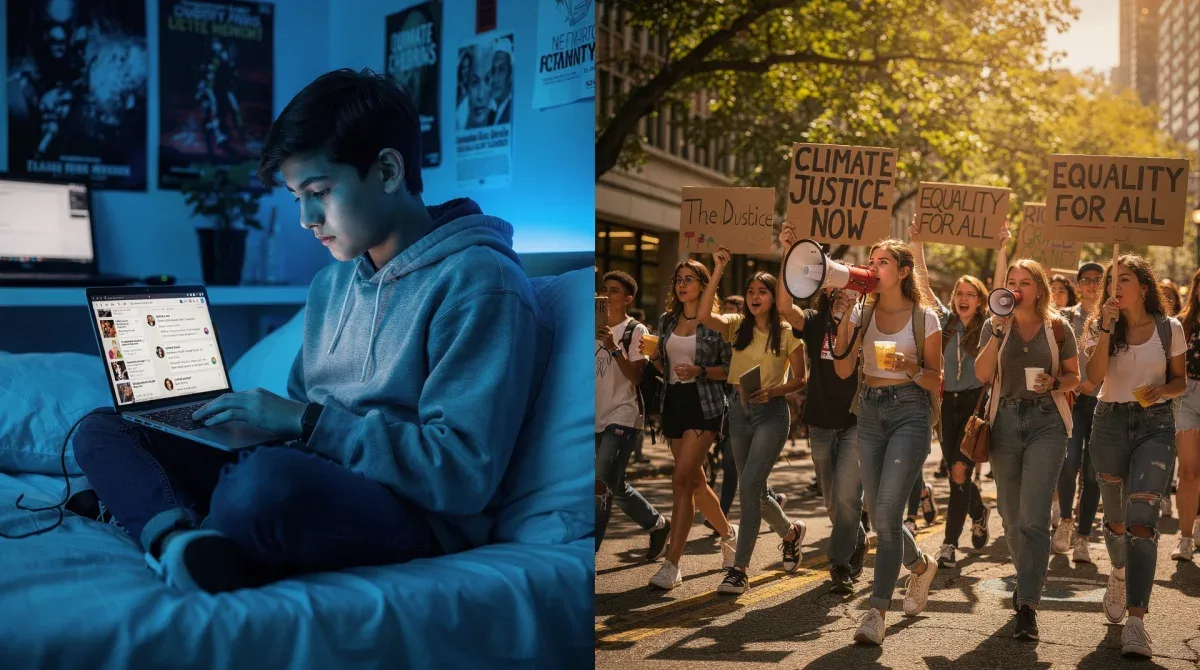
Traditional teen dramas frequently presented high school social groups as fixed categories. Contemporary stories are more likely to show friendships developing across different interests, backgrounds, and social expectations.
Never Have I Ever illustrates this approach through a protagonist whose academic ambitions, family experiences, friendships, and romantic interests frequently create competing priorities.
In High School Narratives 2026, these overlapping relationships make it possible to explore belonging and exclusion without reducing every character to a single stereotype.
The Impact of Digital Communication
Digital communication has become a familiar part of contemporary teenage storytelling. Messages, online posts, and shared images can affect relationships even when the central drama takes place inside a school.
Heartbreak High demonstrates how information about private relationships can influence a student's reputation, while other YA productions use digital communication to create misunderstandings and emotional distance.
For High School Narratives 2026, technology is most compelling when it develops the characters rather than functioning solely as a convenient device for creating conflict.
Online Reputation: Digital interactions can influence how characters are perceived by classmates.
Cyberbullying: Some stories explore harassment and the consequences of online exposure.
Personal Identity: Characters may struggle with differences between online presentation and private feelings.
Mental Health and Well-being at the Forefront
Emotional well-being has become an important subject in several contemporary YA dramas, particularly those examining relationships, academic expectations, and the search for personal identity.
Heartstopper explores emotional vulnerability and the importance of supportive relationships, while Sex Education combines adolescent uncertainty with conversations about communication and personal boundaries.
The presence of these subjects in High School Narratives 2026 reflects creative interest in experiences beyond romantic conflict, although individual shows vary considerably in realism and sensitivity.
Anxiety and Academic Pressure
Academic achievement can become a source of tension when characters feel responsible for meeting family expectations or securing opportunities after graduation.
Never Have I Ever uses school ambitions and family dynamics to explore the pressure of balancing achievement with grief, friendship, and personal development.
By incorporating these challenges, High School Narratives 2026 can examine how expectations about success influence self-esteem and relationships without suggesting that every student experiences identical pressures.
Support Systems and Stigma Reduction
Supportive friendships, family conversations, and professional assistance can play meaningful roles in stories about adolescent emotional well-being.
Rather than presenting every personal difficulty as something a character must overcome alone, some YA dramas acknowledge that seeking support can be an important part of navigating challenging experiences.
The growing attention to mental health discussions in high school narratives also creates opportunities for more thoughtful portrayals of relationships and emotional resilience in High School Narratives 2026.
Professional Support: Counseling and other appropriate services can be portrayed as legitimate sources of help.
Friendship: Trusted peers may provide emotional support and a sense of belonging.
Family Communication: Relationships with caregivers can influence how characters respond to difficulties.
Diversity and Representation in High School Narratives 2026
Representation is a significant aspect of contemporary young adult television, with many productions featuring characters from different cultural, social, and family backgrounds.
Young Royals examines personal expectations within a royal institution, while Heartstopper focuses on friendship, identity, and relationships among a diverse group of young people.
These examples illustrate how High School Narratives 2026 can create space for characters whose experiences differ from the familiar archetypes found in earlier teen television.
Exploring Intersectional Identities
Individual identity is rarely shaped by one characteristic alone. Family history, cultural expectations, personal relationships, social position, and educational opportunities can interact in complex ways.
XO, Kitty uses an international school setting to explore cultural connections, family history, friendship, and changing relationships, creating conflicts that extend beyond a conventional romantic storyline.
Within High School Narratives 2026, attention to these overlapping experiences can help characters feel more developed, provided the storytelling gives them motivations beyond their backgrounds or identities.
Sociopolitical Awareness and Activism
Some YA dramas incorporate discussions of inequality, school rules, institutional power, and community responsibilities into their stories about adolescence.
These subjects can create tension between students and authority figures while raising questions about fairness, personal responsibility, and collective decision-making.
Although activism is not central to every example discussed, its presence in certain High School Narratives 2026 shows how teen drama can connect personal experiences with broader social concerns.
Youth Engagement in Current Events
Teenage characters may encounter social and political issues through their schools, communities, families, and online environments, creating opportunities for stories about participation and disagreement.
Digital platforms can also help fictional characters organize activities or communicate their concerns, although these tools can introduce misinformation, social pressure, and conflict.
As High School Narratives 2026 engage with contemporary issues, the most nuanced stories recognize that young people have different beliefs, levels of involvement, and approaches to social change.
The Future of Education and Career Paths
Graduation has long been an important milestone in high school storytelling, often representing the transition from familiar routines toward an uncertain adult future.
Contemporary YA productions increasingly explore the emotional complexity of this transition, including questions about university, independence, relationships, and changing personal priorities.
The third and final season of Heartbreak High, released in March 2026, brings its characters toward graduation, making the uncertainty surrounding adulthood an especially relevant example of High School Narratives 2026.
Alternative Post-High School Routes
Stories about the transition to adulthood do not always need to present university as the only meaningful destination. Creative work, employment, vocational education, and personal exploration can all become part of the discussion.
Different choices may reflect family resources, individual interests, academic opportunities, or uncertainty about long-term goals, providing material for character development.
In High School Narratives 2026, exploring these possibilities can help challenge the assumption that successful adulthood follows a single predetermined path.
Further Education: University and professional training can offer different opportunities.
Creative Careers: Artistic and digital fields provide alternative ambitions for characters.
Personal Exploration: Time spent evaluating interests and goals can influence future decisions.
Parental and Authority Figures: Redefined Roles
Adults in teen dramas often influence the central conflicts, but their roles extend beyond enforcing school rules or opposing adolescent relationships.
Family members and teachers may struggle with their own expectations, communication problems, and responsibilities, creating relationships that are more complicated than traditional authority-versus-rebellion storylines.
For High School Narratives 2026, portraying adults as individuals with strengths and limitations can deepen the emotional context surrounding adolescent experiences.
Complex Family Dynamics
Never Have I Ever places family relationships at the center of its story, exploring how personal loss, generational expectations, and communication affect a teenager's choices.
Other dramas feature family structures shaped by separation, blended households, institutional expectations, or different approaches to parenting and independence.
By showing how experiences at home influence behavior at school, High School Narratives 2026 can develop more convincing motivations and avoid presenting teenagers as disconnected from their families.
The Blurring Lines of Genre and Format
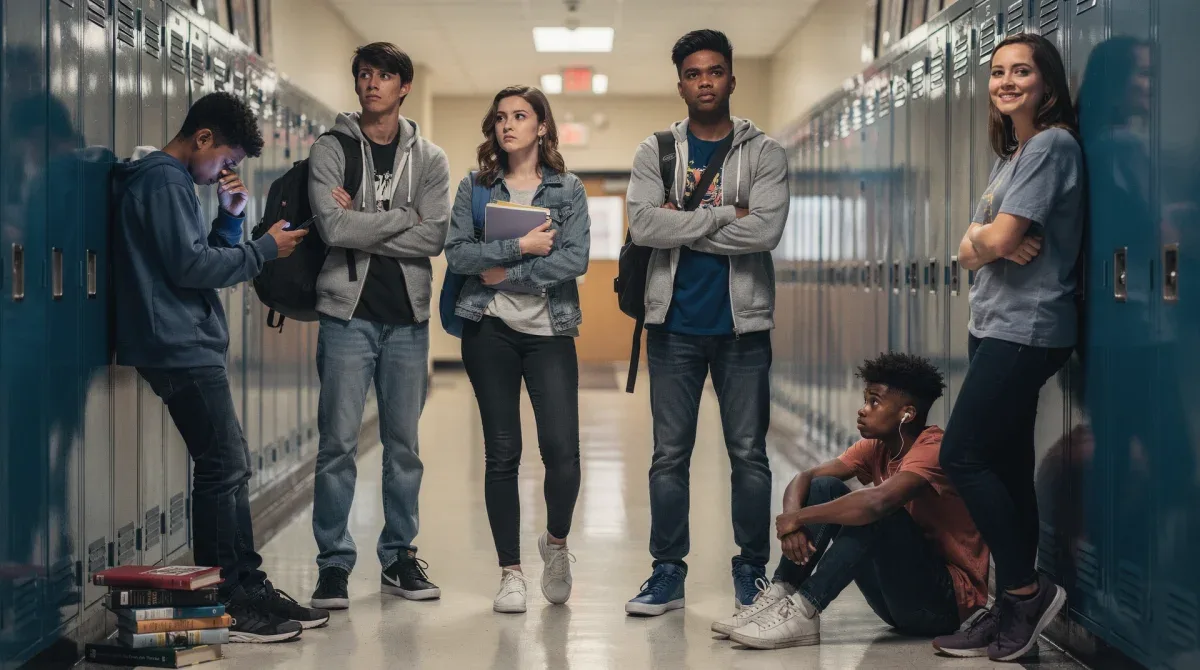
High school storytelling is no longer confined to straightforward romance or coming-of-age comedy. Contemporary YA productions can incorporate mystery, suspense, fantasy, and psychological drama.
School Spirits provides an example by combining a high school setting with supernatural mystery, using genre elements to explore unresolved relationships and personal questions.
This flexibility has become an interesting feature of High School Narratives 2026, while streaming platforms and changing television formats have provided additional opportunities for different storytelling approaches.
Interactive Storytelling Elements
Audience engagement increasingly extends beyond the episodes themselves through interviews, behind-the-scenes material, online discussions, and official promotional content.
These additional experiences may strengthen connections between viewers and fictional characters, but they should not be confused with fully interactive television narratives.
For High School Narratives 2026, digital engagement offers opportunities to maintain audience interest while the central storytelling remains primarily within scripted episodes and seasons.
Key Trend | Brief Description |
|---|---|
Fluid Social Dynamics | Stories explore overlapping friendships, changing reputations, and more complex school relationships. |
Mental Health Focus | Selected dramas address emotional difficulties, academic pressure, and supportive relationships. |
Diverse Representation | Characters reflect varied cultural experiences, identities, and family expectations. |
Youth Activism | Some stories examine student participation in social issues and institutional decisions. |
Frequently Asked Questions About High School Narratives in 2026
How are social hierarchies changing in high school narratives?▼
Some contemporary teen dramas move beyond rigid categories such as popular students, athletes, and outsiders. Instead, characters navigate overlapping friendships, shifting reputations, and personal conflicts. Heartbreak High and Never Have I Ever demonstrate different ways of approaching these relationships, although traditional school stereotypes remain present in some productions.
What role does mental health play in modern YA dramas?▼
Mental health can be an important part of character development, particularly when stories explore anxiety, grief, academic pressure, or emotional relationships. Productions such as Heartstopper approach these experiences through friendship and personal support. However, television portrayals vary in realism and should not be treated as substitutes for professional mental health guidance.
How is diversity being represented in High School Narratives 2026?▼
Representation appears through characters with different cultural experiences, identities, economic circumstances, and family relationships. Shows such as Young Royals, Heartstopper, and XO, Kitty explore different aspects of these experiences. The quality of representation depends on how thoughtfully individual characters are developed, rather than simply how many identities appear on screen.
Are teenagers in these dramas politically active?▼
Some YA dramas explore activism, social disagreements, and questions about institutional power, while others concentrate more heavily on friendship, romance, or personal development. Political engagement is therefore one possible subject within High School Narratives 2026, not a defining feature of every series.
What do these dramas suggest about future career paths for teens?▼
Stories approaching graduation often examine questions about university, employment, independence, and personal ambitions. Heartbreak High's final season provides an example of characters confronting the transition toward adulthood. These narratives can encourage discussion of different possibilities without suggesting one educational or professional route is right for everyone.
Looking Ahead: The Evolving Landscape of Teen Dramas
The evolution of High School Narratives 2026 demonstrates how contemporary teen dramas can combine familiar coming-of-age themes with discussions of mental health, digital communication, cultural identity, and uncertainty about adulthood.
From Heartbreak High and Never Have I Ever to Heartstopper and School Spirits, the seven examples considered here demonstrate different approaches rather than a single universal formula for portraying adolescence.
As the genre continues to develop, high school narratives and their cultural impact will remain useful subjects for examining how popular entertainment interprets the opportunities, challenges, and relationships associated with growing up.