Future of Streaming: 2026 Teen Dramas & Viewer Habits
Advertisements
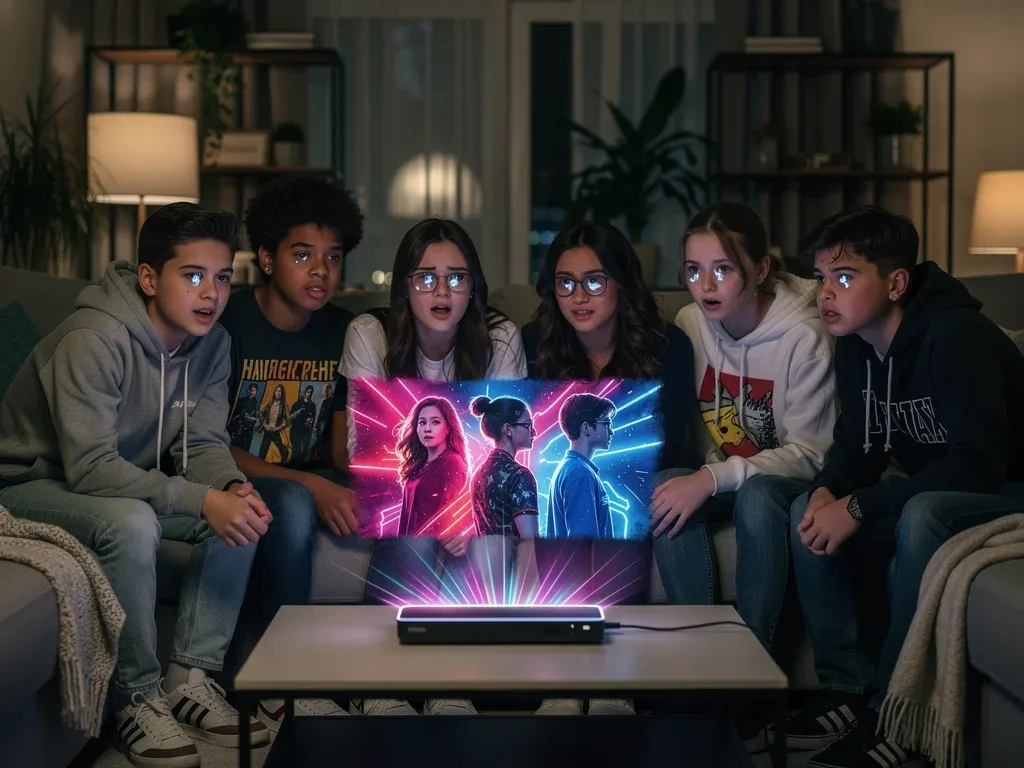
The future of streaming in 2026 is being shaped by changing teen viewing habits, shorter discovery cycles, global content, personalization, social engagement, and growing competition for audience attention.
The Future of Streaming: What 2026's Teen Dramas Tell Us About Viewer Habits offers a useful look at how younger audiences are changing the way entertainment is discovered, watched, discussed, and shared.
Teen dramas remain especially valuable for understanding these shifts because their audiences often move quickly between streaming platforms, social media, creator content, music, and online communities.
For streaming companies and content creators, the challenge is no longer simply attracting viewers. The bigger task is creating stories that can earn attention, maintain engagement, and remain culturally relevant over time.
Understanding the Evolving Viewer Landscape
The streaming environment in 2026 is increasingly fragmented, with viewers having access to multiple subscription services, free platforms, social video, gaming, and other forms of digital entertainment.
Teen dramas provide an interesting lens into this environment because younger viewers often discover shows through clips, recommendations, online discussion, and social media before watching a complete episode.
This means platforms must think beyond the traditional television model. Discovery, viewing, fandom, and conversation increasingly happen across several digital spaces rather than within a single streaming application.
Content Innovation Driving Engagement
Teen dramas are increasingly exploring subjects connected to contemporary youth experiences, including identity, relationships, mental health, digital life, social expectations, and uncertainty about the future.
These themes can make stories feel more relevant when they are supported by believable characters and thoughtful writing. Younger viewers are often quick to notice when dialogue, trends, or representation feel artificial.
As a result, authenticity has become an important part of audience engagement. Platforms can benefit from stories that reflect recognizable experiences without simply attempting to reproduce every current online trend.
Storytelling Beyond Traditional Episodes
Streaming dramas can extend beyond their episodes through behind-the-scenes videos, cast interviews, short-form clips, soundtracks, social posts, and other complementary content.
These additional formats help maintain interest between episodes or seasons and provide fans with more opportunities to interact with a story without changing the central narrative.
For younger audiences accustomed to moving between different media formats, this broader storytelling ecosystem can make a series feel more present in everyday digital culture.
Technological Integration and Viewer Interaction
Technology continues to influence how teen dramas are discovered and consumed. Recommendation systems, mobile viewing, connected televisions, and social media all contribute to the viewing journey.
Audiences are also becoming accustomed to having information, commentary, fan communities, and related videos available immediately after watching an episode.
This creates an environment where the streaming experience extends beyond pressing play. Platforms must consider how discovery, viewing, discussion, and retention work together.
The Role of Interactive Narratives
Interactive storytelling remains an experimental area rather than a universal feature of teen television. However, previous experiments have demonstrated that viewers can be interested in making choices that influence a story.
These experiences borrow elements from gaming by allowing audiences to participate more directly in narrative decisions. They may also encourage repeat viewing because different choices can reveal alternative outcomes.
Whether interactive formats become more common will depend on production costs, audience interest, creative execution, and whether they provide enough value compared with conventional storytelling.

From Passive Viewing to Active Fandom
Even when a show itself is not interactive, its audience often is. Fans comment on storylines, create edits, discuss theories, share reactions, and build online communities around characters and actors.
This activity can extend the cultural life of a series beyond the hours spent watching it. A show that inspires conversation may remain visible between releases and reach people who have not yet watched it.
For streaming platforms, understanding this behavior can be useful because engagement outside the service may influence discovery, retention, and interest in future seasons.
Platform Strategies and Audience Segmentation
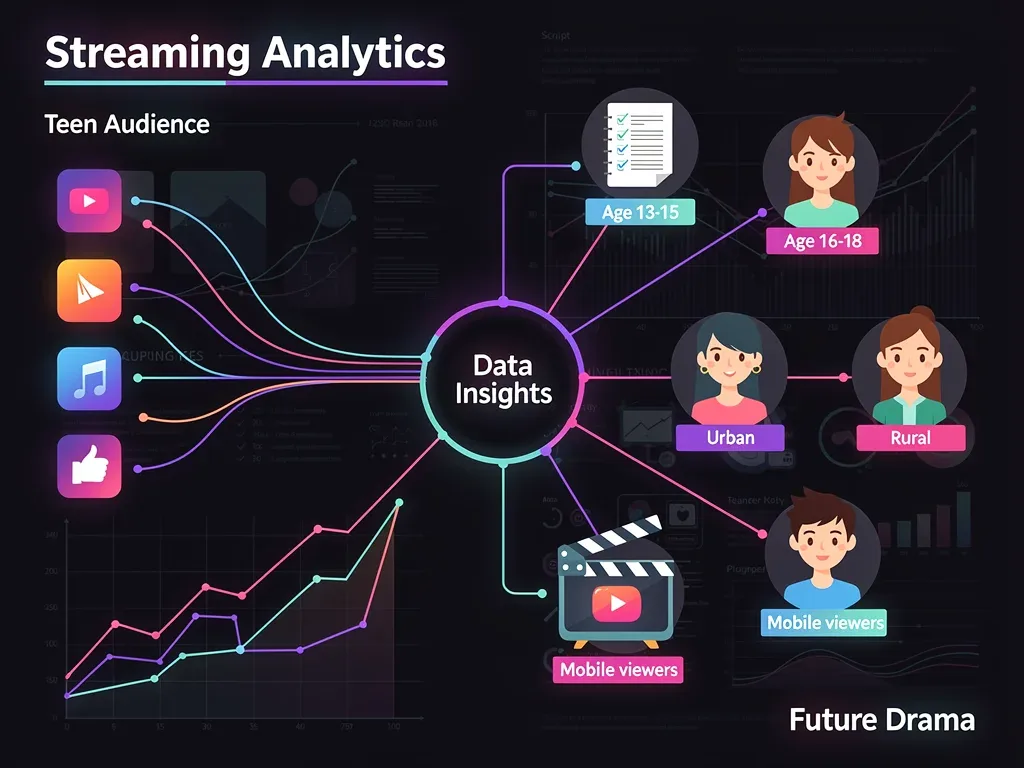
Streaming platforms use audience data to understand which genres, themes, actors, and formats attract different groups of viewers. Teen audiences are particularly important because their preferences can change rapidly.
Segmentation can help platforms decide how to present content, which audiences might be interested in a new release, and where promotional efforts should be concentrated.
However, successful teen dramas still require strong creative foundations. Data may improve discovery and marketing, but it cannot guarantee that viewers will connect emotionally with a story.
Targeting Gen Z and Gen Alpha
Gen Z and the older members of Gen Alpha have grown up with on-demand entertainment, smartphones, social platforms, and a nearly unlimited amount of digital content competing for their attention.
This environment can make discovery faster but loyalty more difficult to maintain. Younger viewers may move quickly between series, creators, games, short-form videos, and other entertainment options.
Platforms therefore need to understand not only what these audiences watch, but why they choose to continue watching, recommend a show, or abandon it after the first episodes.
The Importance of Authenticity
Young audiences often respond strongly to stories that feel culturally and emotionally credible. Characters need motivations, language, relationships, and conflicts that make sense within the world being portrayed.
Collaboration with younger writers, creators, consultants, and performers can provide useful perspectives when developing stories intended primarily for teen viewers.
Authenticity does not require copying current internet trends. In many cases, strong characterization and believable storytelling have greater long-term value than references that may quickly become outdated.
The Business of Teen Dramas: Monetization and Metrics
The business model behind streaming dramas continues to evolve as subscription services combine paid plans, advertising-supported tiers, partnerships, licensing, and other revenue strategies.
For teen dramas, success can involve more than raw viewing hours. Platforms may also examine whether viewers finish episodes, return for later seasons, recommend the show, or remain subscribed.
This broader approach reflects an important change in streaming economics: content is valuable not only when people watch it, but also when it contributes to acquisition, retention, and overall platform engagement.
Measuring Success in a Digital Age
Traditional audience measurements remain useful, but streaming services have access to additional information such as completion behavior, viewing frequency, and how audiences move between different titles.
External indicators can also matter. A teen drama that generates discussion around its cast, soundtrack, fashion, or storyline may achieve cultural visibility beyond the platform itself.
No single metric provides a complete picture. A more useful assessment combines viewing behavior with audience retention, cultural conversation, and the broader strategic role of a series.
Social Engagement as a Secondary Signal
Social media activity can reveal how strongly viewers respond to characters, scenes, and story developments. Memes, edits, comments, and fan discussions may indicate strong emotional investment.
However, online conversation does not always translate directly into viewing numbers. A viral scene may generate enormous attention while representing only one part of a show's overall performance.
For this reason, social engagement works best as one signal among many rather than as a replacement for viewing and subscription data.
Cultural Impact and Societal Reflections
The Future of Streaming: What 2026's Teen Dramas Tell Us About Viewer Habits is also connected to the way entertainment reflects changing social values and conversations.
Teen dramas frequently explore relationships, family structures, identity, technology, belonging, and other subjects that are closely connected to young people's lives.
When handled thoughtfully, these stories can encourage discussion and expose viewers to perspectives outside their own experiences without turning entertainment into a simple social message.
Reflecting Youth Culture and Trends
Teen dramas often incorporate contemporary music, fashion, communication habits, and digital culture. These details help establish the social environment surrounding their characters.
The challenge is maintaining credibility without making the series feel like a collection of temporary trends. Youth culture changes quickly, while successful stories need to remain understandable after their initial release.
Productions that balance current references with universal experiences such as friendship, insecurity, ambition, family pressure, and first relationships may have greater staying power.
Representation and Audience Connection
Diverse casts and perspectives can allow more viewers to recognize elements of their own lives on screen while also introducing them to experiences different from their own.
Representation is particularly effective when characters have meaningful personalities and storylines rather than existing only to represent a specific demographic category.
For global streaming services, broader representation can also support international appeal by creating a library of stories drawn from different communities and cultural backgrounds.
The Role of AI and Personalization
Artificial intelligence is becoming increasingly relevant to streaming through recommendation systems, search, localization, production tools, and analysis of large amounts of audience data.
AI can help platforms identify patterns in viewing behavior and improve how titles are presented to different users. These systems already play an important role in content discovery.
Its role in actual storytelling is more complex. AI-assisted creative tools are developing quickly, but human writers, directors, performers, and other creative professionals remain central to producing meaningful narratives.
AI-Driven Recommendations
Recommendation systems analyze viewing behavior and other signals to determine which titles may interest an individual user. These systems can significantly influence which shows audiences discover.
For teen dramas, effective recommendations may connect viewers with shows based on genre, themes, actors, previous viewing patterns, or similarities with other titles they enjoyed.
This creates opportunities for niche productions to find relevant audiences, but it also gives platforms considerable influence over which content receives visibility within their interfaces.
AI in Content Development
Creative teams can use AI-assisted tools for tasks such as research, organization, transcription, translation, visual experimentation, and early-stage ideation.
Data analysis may also help studios understand broader audience patterns, although past viewing behavior cannot reliably determine which original stories will become future successes.
The most important challenge is using these tools without replacing the human judgment, originality, cultural understanding, and creative risk that compelling storytelling requires.
Personalization and Viewer Experience
Personalization is currently most visible in recommendations, artwork, search results, and how content is organized for individual users rather than in completely personalized versions of the same drama.
These systems aim to reduce the time viewers spend searching for something to watch, which is increasingly important as streaming libraries become larger and more fragmented.
Platforms must also consider transparency and privacy as personalization becomes more sophisticated, especially when services are used by younger audiences.
Global Reach and Localized Content
The Future of Streaming: What 2026's Teen Dramas Tell Us About Viewer Habits is increasingly international because streaming makes it easier for productions to travel beyond their original markets.
Teen audiences can now discover dramas produced in different countries through recommendations, social media, subtitles, dubbing, and online fan communities.
This creates an opportunity for platforms to combine globally recognizable themes with stories that maintain distinctive local settings, languages, and cultural perspectives.
Bridging Cultural Divides
Teen dramas can introduce international viewers to different schools, family structures, traditions, social expectations, and everyday experiences.
Improved subtitles and dubbing have made international content more accessible, while social media can quickly generate global interest around actors, scenes, or soundtracks.
The success of international series demonstrates that stories do not need to remove their cultural identity to travel. Local specificity can sometimes be precisely what makes a production distinctive.
Localized Content Strategies
Streaming companies have invested in productions from multiple regions as they seek to serve both local audiences and subscribers interested in international entertainment.
Local productions can provide cultural knowledge and perspectives that are difficult to reproduce convincingly from outside a market.
When one of these titles gains international attention, the same production can serve both regional engagement and global content strategies.
Challenges and Opportunities Ahead
The future of teen streaming content also involves significant challenges. Viewers have more entertainment choices than ever, while household budgets can limit the number of subscriptions they maintain.
Streaming platforms compete not only with one another but also with YouTube, TikTok, gaming, podcasts, creator content, music, and countless other sources of entertainment.
This competition creates pressure to produce distinctive content while controlling costs and ensuring that each new series has a clear reason to exist within an increasingly crowded market.
Navigating Content Saturation
The amount of content available can make discovery difficult even for high-quality productions. Strong marketing and recommendation systems are therefore increasingly important.
At the same time, excessive reliance on familiar formulas can make shows difficult to distinguish. Unique characters, settings, perspectives, or storytelling approaches can provide a stronger identity.
The challenge is balancing recognizable genre expectations with enough originality to give audiences a compelling reason to choose one series over many alternatives.
Building Strong Fan Communities
Fan communities can extend the lifespan of a show through discussion, creative content, recommendations, events, and continued interest between seasons.
These communities are difficult to manufacture directly. They usually emerge when viewers develop genuine emotional connections with characters, performers, or storylines.
Platforms can support this engagement with complementary content and communication, but the foundation remains a series that gives viewers something worth discussing.
Balancing Quantity and Quality
A large content library gives subscribers more options, but volume alone cannot guarantee loyalty. Audiences still need productions that feel distinctive enough to justify their time.
Teen dramas can be particularly sensitive to quality because younger audiences can quickly move to another series, platform, game, or creator when a story loses their attention.
For streaming companies, this makes disciplined investment increasingly important. More releases are not necessarily better if viewers struggle to find titles they genuinely want to finish.
What Teen Dramas Reveal About Viewer Habits
The strongest lesson from teen dramas is that viewing has become part of a broader digital behavior rather than an isolated activity. Discovery, watching, sharing, discussing, and creating fan content often overlap.
Younger audiences also expect flexibility. They may watch a full episode on television, revisit a scene on a phone, discover the soundtrack elsewhere, and discuss the story on social platforms.
For the streaming industry, understanding these connected behaviors may be just as important as measuring how many hours a subscriber spends inside a single application.
Key Insight | Brief Description |
|---|---|
Cross-Platform Discovery | Social media, recommendations, clips, and online communities increasingly influence what younger audiences choose to watch. |
AI Personalization | Recommendation systems help viewers navigate large catalogs and connect with titles that match their interests. |
Global Localization | Localized productions can serve regional audiences while also finding viewers internationally through streaming. |
Evolving Metrics | Viewing, completion, retention, subscriber behavior, and cultural engagement all contribute to understanding performance. |
Audience Competition | Streaming services compete with social video, gaming, creators, and other entertainment for young viewers' attention. |
Frequently Asked Questions About Teen Dramas and Streaming
How are teen dramas adapting to new viewer habits?
Teen dramas are increasingly supported by social content, global distribution, mobile discovery, strong fan communities, and stories designed to connect with the experiences and interests of younger audiences.
What role does AI play in the future of streaming teen dramas?
AI is most established in recommendations, search, localization, audience analysis, and production assistance, while human creators continue to play the central role in writing and developing stories.
Are traditional viewership metrics still relevant for these shows?
Yes, but platforms can also consider completion behavior, repeat viewing, subscriber acquisition, retention, and external audience engagement when evaluating a show's performance.
How do teen dramas balance global appeal with local relevance?
Successful productions can combine universal themes with distinctive local characters, languages, settings, and cultural experiences, supported by subtitles and dubbing for international audiences.
What are the biggest challenges facing teen dramas in 2026?
Major challenges include content saturation, competition from other forms of digital entertainment, subscription pressure, high production costs, and the need to maintain authenticity with rapidly changing audiences.
Looking Ahead: The Dynamic Evolution of Teen Narratives
The Future of Streaming: What 2026's Teen Dramas Tell Us About Viewer Habits points toward an entertainment environment shaped by greater choice, international discovery, personalization, and competition for attention.
Teen dramas remain useful indicators because younger audiences often adopt new platforms and media behaviors quickly, making their viewing patterns especially relevant to the industry's broader evolution.
The platforms that understand these habits without sacrificing storytelling quality will be better positioned to create entertainment that viewers not only discover, but choose to finish, discuss, recommend, and remember.