Teen Dramas 2026: Shaping Youth Culture with New Trends
Advertisements
Teen Dramas 2026 Trends highlight four important developments in youth entertainment: authentic representation, social commentary, digital audience engagement, and storytelling techniques that bring fictional narratives closer to everyday adolescent experiences.
Teen Dramas 2026 Trends reveal how contemporary television explores adolescent experiences, personal relationships, social challenges, and the increasingly important role of digital communication.
These productions offer opportunities for young audiences to explore different perspectives while engaging with fictional characters whose experiences may reflect familiar situations.
This guide examines four central storytelling trends and their connections with youth culture, online communities, international entertainment, and evolving audience expectations.
Understanding the Cultural Influence of Teen Dramas in 2026
Contemporary teen dramas explore relationships, educational pressures, family expectations, and personal challenges that can reflect different aspects of adolescence within modern society.
Teen Dramas 2026 Trends demonstrate how fictional storytelling can provide opportunities for conversations about experiences that young audiences may encounter in everyday life.
However, the cultural influence of individual productions depends on their storytelling quality, audience interpretation, personal circumstances, and the broader social environment surrounding viewers.
1. The Rise of Authentic Representation in Teen Dramas
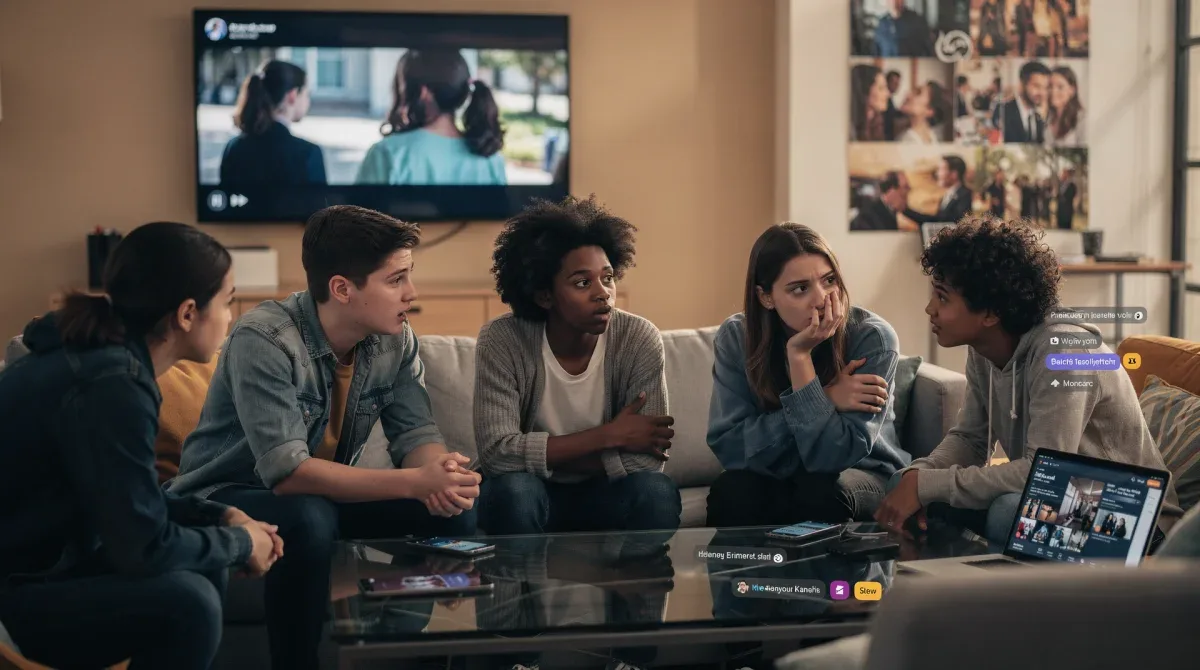
Authentic representation emphasizes developing characters with individual personalities, cultural backgrounds, personal motivations, and experiences that extend beyond conventional stereotypes associated with adolescent storytelling.
Teen Dramas 2026 Trends reflect continued interest in narratives that acknowledge different family structures, social circumstances, identities, and challenges faced by young people.
Thoughtful characterization can provide audiences with opportunities to explore unfamiliar perspectives while recognizing experiences that may resemble aspects of their own lives.
Exploring Identity and Intersectionality
Contemporary adolescent storytelling can examine how cultural identity, economic circumstances, gender, personal relationships, and family expectations interact throughout different stages of individual development.
Characters navigating multiple aspects of their identities may provide more complex narratives than productions relying exclusively on simplified categories or familiar character stereotypes.
Within Teen Dramas 2026 Trends, these approaches encourage audiences to consider how different experiences can influence personal decisions, relationships, and individual perspectives.
Moving Beyond Traditional Character Stereotypes
Traditional adolescent narratives frequently relied on recognizable character categories, including popular students, social outsiders, academic achievers, and individuals struggling with established expectations.
More layered storytelling can challenge these categories by presenting characters with conflicting motivations, unexpected abilities, personal uncertainties, and evolving relationships throughout a series.
This approach creates opportunities for more believable characterization while acknowledging that individual personalities cannot always be accurately represented through simplified social classifications.
Representing Different Family and Economic Backgrounds
Teen dramas can explore how household finances, parental responsibilities, cultural expectations, and educational opportunities influence the decisions made by young fictional characters.
These narratives may highlight differences between adolescent experiences without suggesting that every individual from a particular background faces identical challenges or circumstances.
Teen Dramas 2026 Trends encourage consideration of how social environments contribute to character development and the conflicts that emerge throughout individual storylines.
2. Social Commentary and Activism as Core Themes
Social commentary allows adolescent dramas to explore contemporary issues through fictional narratives involving personal relationships, educational environments, community challenges, and individual decision-making.
Topics such as environmental concerns, discrimination, financial insecurity, and mental health can become important elements within stories addressing the experiences of young people.
Teen Dramas 2026 Trends demonstrate how entertainment can provide starting points for discussions without necessarily determining the beliefs or actions of individual viewers.
Mental Health Portrayals and Destigmatization
Adolescent dramas increasingly explore experiences involving emotional distress, anxiety, social isolation, academic pressure, and difficulties communicating personal concerns with family members or friends.
Responsible storytelling can portray these experiences without romanticizing suffering or presenting complex mental health conditions as problems with simple and immediate solutions.
Characters receiving appropriate support may encourage constructive conversations, although fictional portrayals cannot replace individualized guidance from qualified mental health professionals.
The Importance of Responsible Mental Health Storytelling
Responsible portrayals should acknowledge that mental health experiences differ between individuals and that recovery may involve professional assistance, personal support, and ongoing treatment.
Teen Dramas 2026 Trends provide opportunities to examine how fictional characters communicate distress, establish personal boundaries, and seek appropriate assistance during difficult circumstances.
However, viewers should distinguish entertainment narratives from clinical information because dramatized situations may simplify experiences that require more comprehensive professional understanding.
Addressing Social Inequality Through Fiction
Adolescent dramas can examine how discrimination, economic differences, educational access, and community circumstances affect opportunities available to characters from various social backgrounds.
These storylines may encourage audiences to consider different experiences while exploring the challenges characters encounter within their schools, families, and surrounding communities.
Effective social commentary benefits from nuanced storytelling that acknowledges contrasting perspectives and avoids reducing complex societal concerns to overly simplistic fictional conflicts.
Environmental Awareness and Community Responsibility
Environmental concerns can become part of adolescent narratives through characters participating in community projects, discussing sustainability, or responding to changes affecting their surroundings.
These storylines may reflect real-world conversations about environmental responsibility while allowing writers to explore disagreements, practical challenges, and competing personal priorities.
Teen Dramas 2026 Trends can incorporate environmental themes without suggesting that fictional entertainment alone produces measurable changes in individual environmental behavior.
3. Interactive Storytelling and Digital Engagement
Digital engagement has expanded opportunities for audiences to discuss television productions, share interpretations, and explore supplementary content beyond the original episodes.
Teen Dramas 2026 Trends include the relationship between traditional scripted entertainment and the online environments where audiences participate in conversations about fictional narratives.
Although some productions experiment with interactive formats, audience participation does not necessarily mean viewers can directly determine the events occurring within scripted episodes.
Fan Theories and Community Building
Online communities allow viewers to discuss character motivations, analyze important scenes, predict future developments, and exchange interpretations of unresolved fictional storylines.
Fan-created illustrations, discussion videos, written theories, and other creative projects can extend engagement with television productions beyond their original viewing schedules.
These activities form an important component of Teen Dramas 2026 Trends by demonstrating how shared interests can support ongoing conversations among entertainment audiences.
Understanding Transmedia Storytelling
Transmedia storytelling involves developing related fictional content across different formats, potentially including television episodes, promotional websites, podcasts, books, or other supplementary entertainment materials.
These additional formats may provide background information about characters, explore alternative perspectives, or offer opportunities to revisit important events from the original narrative.
However, the availability of transmedia experiences varies between productions, and supplementary content does not always represent an official extension of the original storyline.
Social Media and Adolescent Digital Habits
A 2025 Pew Research Center survey found that YouTube, TikTok, Instagram, and Snapchat remained widely used among American teenagers aged 13 to 17.
These digital habits provide useful context for understanding how young audiences may encounter entertainment discussions, promotional material, and content produced by online fan communities.
However, the survey does not establish that Teen Dramas 2026 Trends directly cause changes in adolescent behavior, identity development, or social media participation.
Audience Participation Versus Narrative Control
Audience participation can include commenting on episodes, sharing reactions, discussing character relationships, and responding to promotional activities organized by entertainment companies.
These interactions differ from interactive storytelling formats that specifically allow viewers to select narrative paths or influence particular outcomes through programmed choices.
Most conventional scripted teen dramas maintain predetermined narratives, even when creators monitor audience reactions or consider feedback during subsequent production decisions.
The Influence of Fan-Created Content
Fan-created content can provide alternative interpretations of characters and fictional events, encouraging creative expression through artwork, written stories, videos, and online discussions.
These contributions may introduce new audiences to established productions while helping existing viewers explore aspects of fictional narratives that interest them.
Teen Dramas 2026 Trends also highlight the importance of distinguishing officially authorized story developments from interpretations and fictional additions created independently by fans.
4. The Blurring Lines Between Reality and Fiction
Some contemporary productions use realistic dialogue, familiar digital environments, and documentary-inspired filmmaking techniques to create fictional experiences that resemble aspects of everyday life.
Teen Dramas 2026 Trends include storytelling approaches that explore how adolescent experiences can be represented through increasingly familiar communication methods and visual formats.
These creative techniques may increase narrative immersion, although realistic presentation does not necessarily establish that fictional events accurately represent typical adolescent experiences.
Influencer Culture and Character Integration
Fictional characters may encounter pressures involving online popularity, personal branding, audience expectations, and the desire to maintain particular images through social media platforms.
Such storylines can explore differences between public presentation and private experiences while examining how characters respond to criticism, visibility, and social comparison.
Some entertainment campaigns also use fictional character profiles, although audiences should recognize these accounts as promotional materials rather than independent real-world personalities.
Documentary-Style Elements in Fictional Storytelling
Documentary-inspired techniques may include naturalistic performances, uninterrupted scenes, handheld cinematography, and visual approaches intended to create a stronger sense of immediacy.
The 2025 limited series Adolescence illustrates how sustained single-take episodes can create an immersive viewing experience while exploring difficult family and social issues.
Its filmmaking approach provides historical context for Teen Dramas 2026 Trends without suggesting that every contemporary adolescent production follows the same visual techniques.
Screenlife Formats and Digital Communication
Screenlife storytelling presents events through digital interfaces, incorporating fictional messages, video calls, social media activity, or other interactions displayed on electronic devices.
These techniques can reveal information about character relationships, communication patterns, misunderstandings, and conflicts developing within the digital environments surrounding fictional individuals.
However, screen-based narratives remain carefully constructed entertainment experiences rather than direct recordings of how all adolescents communicate or respond to personal challenges.
Recognizing the Differences Between Entertainment and Reality
Realistic storytelling can create emotional connections with fictional characters, particularly when audiences recognize familiar experiences within the situations presented throughout a television series.
Nevertheless, fictional productions may compress events, intensify conflicts, and simplify personal decisions to maintain dramatic tension and communicate their central narrative objectives.
Media literacy remains important when interpreting Teen Dramas 2026 Trends because realistic presentation should not automatically be considered evidence of factual accuracy.
Global Perspectives and Cross-Cultural Narratives
International entertainment introduces audiences to adolescent stories shaped by different cultural traditions, educational systems, family expectations, and approaches to personal relationships.
Global streaming distribution can improve access to productions from different countries, although availability depends on licensing agreements, geographical restrictions, and individual platforms.
These cross-cultural experiences complement Teen Dramas 2026 Trends by expanding the range of fictional perspectives accessible to American and international audiences.
International Collaborations and Story Exchange
International collaborations can bring together writers, performers, directors, and production teams with different experiences and creative approaches to adolescent storytelling.
These arrangements may produce narratives combining culturally specific experiences with broader themes involving friendship, family relationships, personal development, and educational pressures.
However, successful cross-cultural storytelling requires attention to local contexts rather than assuming that adolescent experiences remain identical across every cultural environment.
The Growing Visibility of International Teen Dramas
Access to international teen dramas allows American viewers to explore fictional productions that address adolescence through different cultural perspectives and distinctive storytelling traditions.
Subtitles and dubbed audio can improve accessibility, allowing audiences to experience productions that might previously have been difficult to obtain through domestic television channels.
International distribution adds another dimension to Teen Dramas 2026 Trends while encouraging viewers to recognize cultural differences alongside common fictional themes.
Cultural Exchange Through Online Fan Communities
Online fan communities can connect audiences from different countries, allowing participants to exchange interpretations, discuss cultural references, and explore unfamiliar entertainment productions.
These conversations may provide additional context when viewers encounter traditions, social expectations, or expressions that differ from those present within their own communities.
Respectful participation and independent research can help audiences avoid generalizing entire cultures based exclusively on the experiences depicted within individual fictional productions.
The Evolution of Story Arcs and Character Development
Long-form storytelling provides writers with opportunities to explore character development across multiple episodes, allowing motivations, relationships, and personal challenges to evolve gradually.
This approach can support more detailed explorations of adolescence than narratives that resolve significant personal conflicts within a single episode.
Teen Dramas 2026 Trends emphasize the importance of sustained characterization while recognizing that serialized storytelling has been an established television technique for decades.
Complex Morality and Ambiguous Endings
Contemporary adolescent narratives may present characters facing difficult decisions involving loyalty, personal responsibility, friendship, family expectations, and competing interpretations of appropriate behavior.
These conflicts can encourage viewers to consider different perspectives without necessarily providing straightforward answers about which character's decisions should be regarded as correct.
Ambiguous endings may extend audience discussions by leaving certain questions unresolved, allowing viewers to develop their own interpretations of fictional events.
The Importance of Ensemble Casts
Ensemble storytelling allows multiple characters to receive meaningful narrative attention, creating opportunities to examine different experiences within a shared social or educational environment.
These productions may explore how individual choices influence friendships, family relationships, group dynamics, and conflicts developing between characters with different motivations.
Thoughtful ensemble development can strengthen Teen Dramas 2026 Trends by providing several perspectives rather than presenting adolescent experiences through a single protagonist.
Character Growth Through Long-Term Storylines
Effective character development allows fictional individuals to change through experiences, mistakes, personal relationships, and decisions that gradually influence their perspectives throughout a series.
Long-term storylines can acknowledge that personal development involves uncertainty, setbacks, and changing priorities rather than a predictable progression toward immediate emotional maturity.
These narrative approaches may strengthen audience engagement by allowing viewers to follow believable transformations that unfold naturally across several episodes or seasons.
How Teen Dramas May Influence Youth Culture
Television productions can contribute to cultural discussions by introducing fictional scenarios that encourage audiences to reflect on relationships, social expectations, and individual experiences.
Teen Dramas 2026 Trends may influence conversations surrounding fashion, communication styles, music preferences, and entertainment interests through characters and memorable narrative developments.
However, cultural influences operate alongside family relationships, education, social environments, and individual preferences, making direct causal claims difficult to establish.
Fashion, Music, and Personal Expression
Costume design and musical selections can contribute to the identity of television productions while introducing audiences to particular aesthetic styles and entertainment preferences.
Some viewers may explore clothing, music, or artistic interests inspired by fictional characters, although these preferences remain dependent on individual tastes and circumstances.
These developments illustrate how entertainment can participate in wider cultural conversations without necessarily determining how young audiences express their personal identities.
Friendships and Relationship Expectations
Teen dramas frequently explore friendships, romantic relationships, social disagreements, and communication challenges that may resemble concerns experienced by some adolescent viewers.
These narratives can provide opportunities to discuss boundaries, respect, responsibility, and the differences between healthy relationships and potentially harmful fictional behavior.
Teen Dramas 2026 Trends should therefore be considered alongside media literacy, helping audiences recognize when dramatic storytelling exaggerates or simplifies interpersonal experiences.
Balancing Entertainment With Critical Thinking
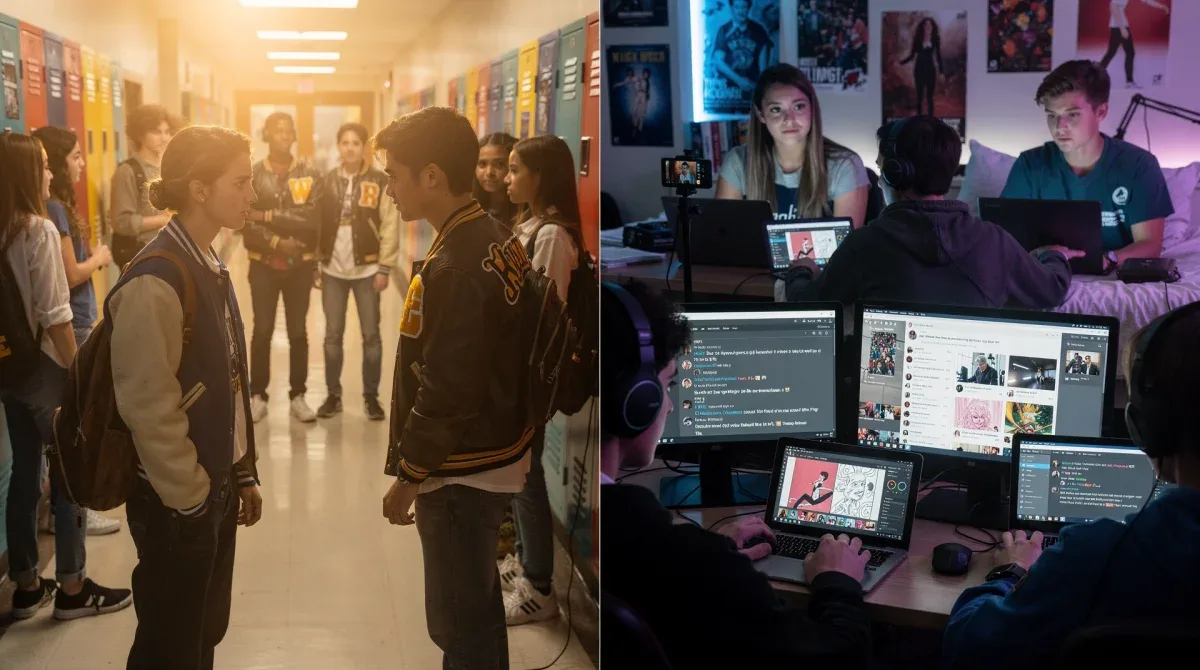
Enjoying fictional entertainment does not require accepting every character's actions, personal beliefs, or responses to difficult situations as appropriate real-world examples.
Discussing storylines with trusted individuals may help young viewers examine alternative perspectives and distinguish realistic concerns from situations intensified for dramatic purposes.
Critical thinking supports a more balanced viewing experience while allowing audiences to appreciate the creative and cultural contributions of contemporary adolescent storytelling.
Perspectives on the Future of Teen Entertainment
The future of adolescent entertainment will depend on creative developments, distribution strategies, technological innovation, audience preferences, and changing approaches to fictional representation.
Teen Dramas 2026 Trends suggest several directions worth monitoring, including layered characterization, responsible social commentary, digital engagement, and documentary-inspired storytelling techniques.
Future productions may explore additional formats and cultural perspectives, although their success and influence will depend on individual creative decisions and audience responses.
Key Trend | Brief Description |
|---|---|
Authentic Representation | Diverse characters and nuanced storylines reflecting real youth experiences. |
Social Commentary | Shows addressing mental health, climate, and inequality directly. |
Interactive Storytelling | Viewer participation influencing plots and digital engagement. |
Reality-Fiction Blurring | Documentary styles and influencer integration for enhanced realism. |
Frequently Asked Questions About Teen Dramas 2026 Trends
What are the four main Teen Dramas 2026 Trends?
The four central trends explored in this guide are authentic representation, social commentary, interactive storytelling and digital engagement, and creative techniques that bring fictional narratives closer to recognizable real-life experiences.
How are teen dramas influencing youth identity?
Teen dramas may provide opportunities for young viewers to explore different identities, relationships, and personal experiences through fictional characters. However, individual identity development depends on numerous personal, social, cultural, and environmental factors.
What role do social issues play in current teen dramas?
Social issues can provide narrative context for exploring mental health, discrimination, economic differences, environmental concerns, and other challenges. These storylines may encourage conversations without necessarily determining individual audience beliefs or behaviors.
How is digital engagement changing teen drama consumption?
Digital platforms allow viewers to discuss episodes, share fan theories, create supplementary content, and interact with entertainment communities. These activities can extend engagement beyond traditional viewing without necessarily influencing the official storyline.
Are teen dramas becoming more global in scope?
International streaming distribution can improve access to productions from different countries. Subtitles, dubbed audio, and online fan communities may help viewers explore a wider range of cultural perspectives and storytelling traditions.
What is the impact of blurring reality and fiction in these shows?
Realistic dialogue, documentary-inspired cinematography, and familiar digital interfaces can create more immersive fictional experiences. However, audiences should remember that realistic storytelling may still simplify or exaggerate real-life circumstances.
Can teen dramas improve mental health awareness?
Responsible portrayals may encourage conversations about emotional challenges and available support. However, entertainment does not replace professional mental health advice, and individual responses to fictional content vary considerably.
Can viewers directly influence the plots of teen dramas?
Only productions specifically designed with interactive narrative features allow viewers to determine selected fictional outcomes. Most conventional scripted series maintain predetermined storylines despite audience discussions and online feedback.
Why is character development important in teen dramas?
Detailed character development allows fictional individuals to experience gradual personal changes, explore complex motivations, and respond to challenges over time. This approach can create more believable narratives and meaningful audience engagement.
How does influencer culture appear in adolescent television?
Some productions explore online popularity, digital reputation, social comparison, and the pressures associated with maintaining public identities. These storylines can provide opportunities to discuss the differences between online presentation and private experiences.
Are Teen Dramas 2026 Trends entirely new?
No. Many of these storytelling approaches existed before 2026. Their relevance comes from how contemporary productions combine established narrative techniques with evolving cultural discussions, digital platforms, and audience expectations.
Do teen dramas accurately represent every adolescent experience?
No. Teen dramas are fictional productions shaped by creative decisions and entertainment objectives. Their narratives may reflect recognizable experiences, but they cannot represent every individual's circumstances, relationships, or cultural background.
Conclusion
Teen Dramas 2026 Trends highlight the relationship between fictional storytelling, cultural representation, contemporary social issues, and the digital environments surrounding young entertainment audiences.
Authentic characterization, responsible social commentary, international perspectives, and creative audience engagement can provide meaningful opportunities for discussion when approached with appropriate critical thinking.
Understanding the differences between entertainment and reality allows viewers to appreciate contemporary adolescent narratives while maintaining balanced perspectives about their wider cultural influence.