Authenticity Challenge: 3 New Teen Dramas in 2026 Get It Right
Advertisements
The discussion around teen drama authenticity 2026 reflects changing expectations for stories about adolescence. Viewers increasingly value characters whose experiences feel believable and emotionally complex.
Contemporary teen dramas can explore academic pressure, digital relationships, family responsibilities, and personal identity. These themes create opportunities for more nuanced storytelling.
This article examines three illustrative teen drama concepts and the creative techniques that could make them compelling. Each example highlights a different aspect of authentic youth representation.
The Evolving Landscape of Teen Drama Authenticity 2026
The conversation about teen drama authenticity 2026 involves how television portrays teenagers and their everyday experiences. Familiar stereotypes do not always capture the complexity of adolescence.
Well-developed narratives can explore difficult choices without presenting young characters as entirely heroic or irresponsible. Emotional consistency gives fictional experiences greater credibility.
As audiences explore new teen dramas on streaming platforms, believable relationships and meaningful conflicts remain important elements of storytelling.
Moving Beyond Stereotypes: Character Development
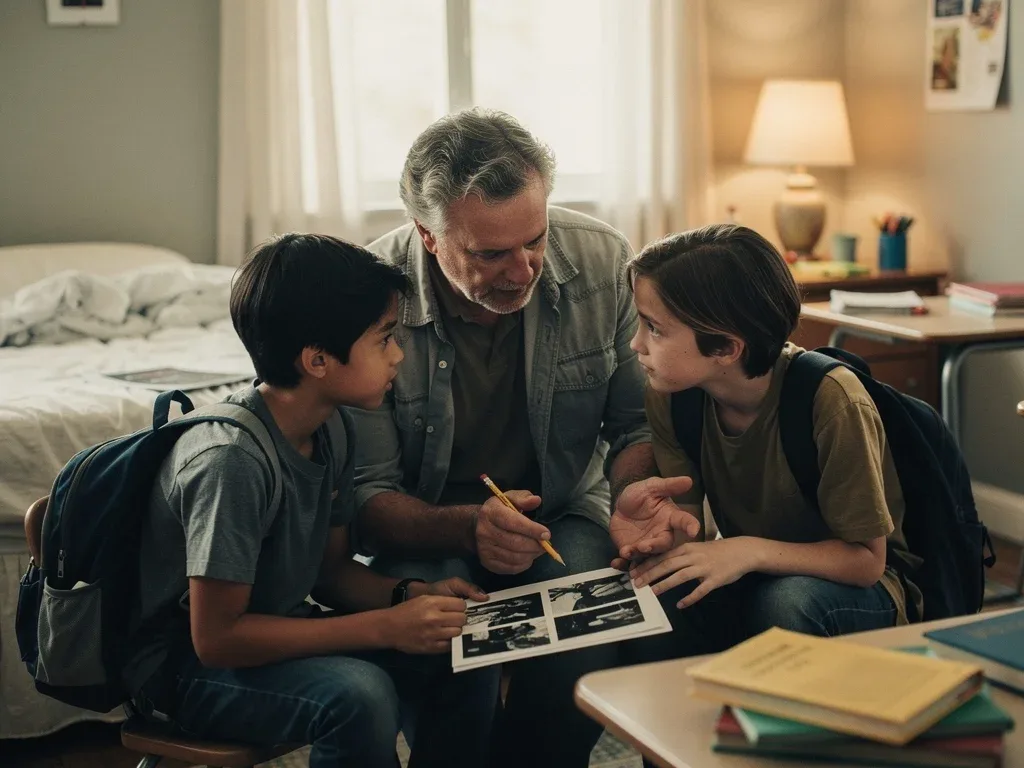
Authentic characters have individual motivations, contradictions, and changing perspectives. Their personalities should develop through experiences rather than remain defined by familiar social labels.
For teen drama authenticity 2026, writers can build stories around the relationship between personal choices and emotional consequences. Supporting characters deserve similar attention.
Thoughtful character development allows viewers to understand different perspectives. This approach can make fictional teenagers feel more recognizable and emotionally convincing.
Realistic Storylines: Addressing Modern Youth Issues
Teenage experiences can involve school expectations, friendships, family conflicts, and uncertainty about the future. Effective writing explores these pressures without reducing them to simple lessons.
The emphasis on teen drama authenticity 2026 also encourages responsible portrayals of mental health and social relationships. Sensitive subjects benefit from careful research.
Realistic storytelling does not require every scene to be dramatic. Everyday conversations and smaller emotional moments can reveal important details about a character's life.
Case Study 1: Echoes of Tomorrow and High School Pressure
As an illustrative concept, "Echoes of Tomorrow" follows students navigating academic expectations and uncertainty about their futures. It is not presented here as a verified television release.
This scenario examines teen drama authenticity 2026 through the experiences of teenagers balancing achievement, friendships, and personal ambitions. Each character responds differently to pressure.
Rather than portraying academic success as the only meaningful outcome, the story could explore changing goals and personal definitions of achievement.
Authentic Dialogue and Cultural References
Convincing dialogue reflects individual personalities and relationships. Teen characters should not all communicate through identical slang or references to popular online trends.
In a story exploring teen drama authenticity 2026, conversations should respond naturally to emotional circumstances. Dialogue can reveal insecurity, humor, affection, or conflict.
Cultural references work best when they fit the characters and setting. Excessive references may distract viewers or make a script feel unnecessarily dated.
Diverse Portrayals and Inclusivity
A believable school setting includes students with different family backgrounds, interests, values, and circumstances. These differences should influence characterization without defining entire personalities.
For teen drama authenticity 2026, inclusive writing means giving characters meaningful roles in the narrative. Representation should extend beyond brief appearances.
The concept could explore how students encounter opportunities and challenges in different ways. Personal experiences would shape their decisions and relationships.
Case Study 2: The Digital Divide and Social Media Realities
"The Digital Divide" serves as a hypothetical drama concept centered on teenagers navigating online communication. It illustrates how digital experiences can influence offline relationships.
The subject is relevant to teen drama authenticity 2026 because social platforms occupy a significant place in contemporary youth culture. However, experiences vary widely.
A balanced story could portray online spaces as sources of friendship and creativity alongside concerns about privacy, comparison, and interpersonal conflict.
Addressing Mental Health Impacts
Stories involving social media and mental health require careful treatment. Online experiences can interact with personal circumstances, relationships, and emotional well-being.
Within teen drama authenticity 2026, writers should avoid suggesting that every mental health difficulty has a single cause. Characters deserve nuanced experiences.
Depicting communication, support, and realistic responses to distress can strengthen a narrative. Consultation with qualified professionals may improve sensitive portrayals.
Navigating Online Relationships
Digital communication creates opportunities for friendships and relationships across geographic distances. It can also introduce misunderstandings when messages lack tone or context.
The concept could explore teen drama authenticity 2026 through changing trust between online friends. Different communication habits may influence their expectations.
Showing both positive and difficult interactions would create a more balanced perspective. The strongest conflicts should arise from established characters rather than technology alone.
Case Study 3: Crossroads Junction and Socioeconomic Realities
"Crossroads Junction" is a fictional story concept about teenagers living in the same community but experiencing different economic circumstances. It is not a confirmed 2026 series.
The setting provides an opportunity to examine teen drama authenticity 2026 through educational access, family responsibilities, employment, and future aspirations.
Characters could share similar interests while facing very different practical limitations. This contrast would create conflict without portraying economic background as destiny.
Consequences of Inequality on Youth
Financial circumstances can influence educational opportunities, extracurricular participation, and access to resources. These differences may shape teenagers' daily decisions.
For teen drama authenticity 2026, socioeconomic issues should emerge through character experiences rather than lengthy explanations. Everyday details can communicate unequal opportunities.
The narrative could show how family expectations and community conditions affect personal choices. Careful writing would avoid reducing characters to symbols of hardship.
Ambition and Resilience in Adversity
Stories about economic challenges can also explore ambition, friendship, and personal determination. Characters should have interests beyond the difficulties they experience.
In a concept emphasizing teen drama authenticity 2026, resilience should not be portrayed as a guaranteed solution to structural problems. Support and opportunity matter.
A balanced narrative recognizes both individual agency and external limitations. This creates room for meaningful growth without promising unrealistic outcomes.
The Production Process: Ensuring Teen Drama Authenticity 2026
The production of believable teen dramas begins with thoughtful research and consistent creative decisions. Writers need to understand the environments their characters inhabit.
Achieving teen drama authenticity 2026 can involve conversations with young people, educators, and specialists. Research should inform storytelling rather than replace imagination.
Casting, production design, and editing also influence credibility. A believable environment supports the emotional relationships established in the script.
Consulting Youth and Experts
Consultation can help writers identify unrealistic assumptions about adolescent experiences. Young people may provide perspectives that differ from those of adult creators.
For projects exploring teen drama authenticity 2026, qualified specialists can advise on subjects such as education, mental health, and digital safety.
However, consultations do not automatically guarantee accurate representation. Creative teams must evaluate feedback and maintain responsibility for their final portrayals.
Strategic Marketing and Audience Engagement
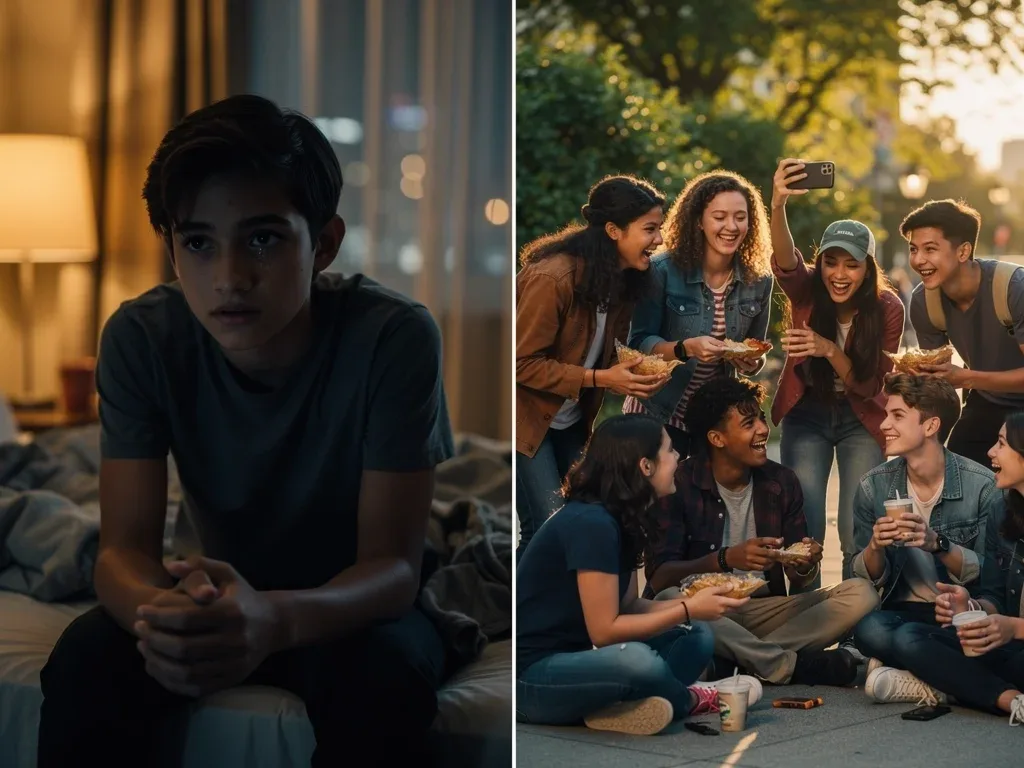
Promotional campaigns can communicate the themes and tone of a teen drama before release. Marketing should reflect the actual storytelling rather than promise unsupported realism.
In discussions of teen drama authenticity 2026, audience engagement can help creators understand responses to characters and narratives. Feedback should be interpreted thoughtfully.
Digital communities may provide spaces for conversation about fictional experiences. Responsible promotion should respect younger audiences and avoid exploiting sensitive themes.
Anticipated Impact on the Genre
The continued interest in teen drama authenticity 2026 may encourage broader experimentation with character-driven storytelling. However, future genre developments remain uncertain.
The three concepts discussed here illustrate potential approaches rather than verified productions. Their themes reflect opportunities for deeper exploration of contemporary adolescence.
As creators explore emerging teen drama subgenres, believable characters and thoughtful narratives can remain central to meaningful audience engagement.
Key Aspect | Description of Impact |
|---|---|
Character Depth | Developing believable personalities with individual motivations and emotional conflicts. |
Realistic Storylines | Exploring contemporary youth experiences with context and sensitivity. |
Diverse Representation | Creating meaningful characters with varied backgrounds and perspectives. |
Production Ethics | Using research, appropriate consultation, and responsible storytelling practices. |
Frequently Asked Questions About Teen Drama Authenticity 2026
What makes these teen drama concepts more authentic?▼
The concepts focus on believable character development, realistic dialogue, and contemporary youth experiences. Rather than representing confirmed television releases, they demonstrate approaches that writers can use to strengthen teen drama authenticity 2026.
How do they address the impact of social media?▼
The hypothetical concept "The Digital Divide" explores online friendships, privacy concerns, and the relationship between digital communication and emotional well-being. It considers both positive and challenging aspects of online life.
Will these dramas feature diverse characters and storylines?▼
The concepts are designed to illustrate inclusive storytelling through different social, cultural, and economic experiences. Because they are hypothetical examples, no actual casting or production decisions are confirmed.
What kind of impact are these shows expected to have on the genre?▼
No real-world impact can be attributed to these concepts as unverified productions. However, their themes illustrate how character depth, careful research, and thoughtful representation could influence future teen storytelling.
How are young people involved in the creation process?▼
Young people can contribute through interviews, consultation, and feedback on scripts. Such methods may help creators understand contemporary experiences, although their effectiveness depends on how the information is incorporated.
Perspectives
The debate around teen drama authenticity 2026 highlights the value of thoughtful representation in young adult entertainment. Complex characters can make familiar coming-of-age stories more compelling.
The three illustrative concepts demonstrate different narrative possibilities involving school expectations, online relationships, and socioeconomic circumstances. None should be mistaken for a confirmed television production.
As interest in international youth storytelling grows, discussions about teen dramas in Mexico and other markets may offer further perspectives. Authenticity remains a creative goal rather than a guaranteed formula.